
Stroke in young adults is a brain stroke that occurs in people between roughly 15 and 49 years of age. A stroke happens when blood flow to part of the brain is blocked or a blood vessel in the brain bursts. Brain cells begin to die within minutes, so fast treatment shapes how well a person recovers.
The most common causes of stroke in young adults are high blood pressure, diabetes, high cholesterol, obesity, smoking and heavy alcohol use. Less common causes include a torn artery in the neck, a hole in the heart and blood-clotting disorders. Many of these conditions cause no symptoms for years, which is why a stroke can seem to arrive without warning.
Writing about stroke in young adults reinforces an important lesson: good health should never be measured by age or the absence of visible symptoms. Preventive healthcare, regular health assessments and awareness of early warning signs deserve attention long before a medical emergency occurs. I believe conversations about cardiovascular health need to become a regular part of workplace wellness and everyday life, rather than something people consider only as they grow older.
This article explains what the data shows, why young people are having strokes, which early signs of stroke to act on and how to lower your risk.
Are Strokes Becoming More Common in Young Adults?
The number of strokes in young adults is rising. The individual risk per person is more complicated.
A 2025 analysis in the Journal of the American Heart Association used Global Burden of Disease data from 204 countries and territories. It found that new stroke cases among people aged 15 to 49 rose by 36% between 1990 and 2021. Over the full period, however, the age-standardised incidence rate generally fell. Between 2015 and 2021, the researchers found a worrying increase in age-standardised rates of ischemic stroke and subarachnoid haemorrhage.
A simple example explains the difference between a count and a rate. If a country adds millions of people to its young adult population, the total number of strokes can climb even when each person’s chance of having one stays the same. The rate corrects for that growth. The recent rise in the rate is therefore the more important warning sign.
| Measure | What it tells you | What the 2025 analysis found |
| Number of new cases | Total burden on health systems | Up 36% from 1990 to 2021 |
| Age-standardised incidence rate | Individual risk after adjusting for population size and age | Generally down over the full period, but up for ischemic stroke and subarachnoid haemorrhage from 2015 to 2021 |
Why Are Young People Having Strokes?
Young people have strokes because of a mix of medical, behavioural and environmental factors. No single cause explains every case.
The US Centers for Disease Control and Prevention (CDC) names high blood pressure as a leading cause of stroke and states that a stroke can happen at any age. The CDC also links the burden in younger people to rising rates of obesity, hypertension and diabetes.
The 2025 global analysis supports this. High systolic blood pressure was the leading risk factor for stroke-related disability among young adults. High body mass index, high cholesterol, raised blood glucose and air pollution also added to the burden.
The sections below take each group of stroke risk factors in turn.
High Blood Pressure:
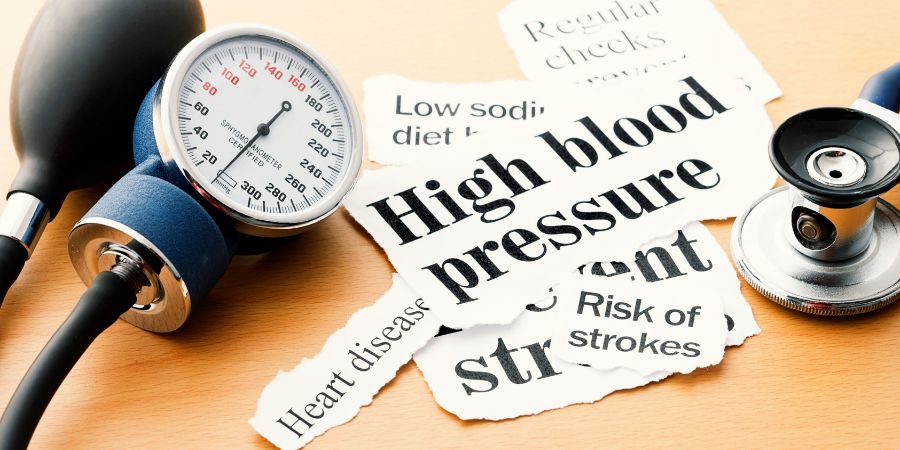
High blood pressure, also called hypertension, is a condition in which blood pushes against artery walls with too much force for too long. Over time, that force damages the vessels, narrows them and raises the chance that one will block or rupture.
Hypertension usually causes no symptoms. A person can feel well, work long hours and exercise now and then while living with dangerously high readings.
The CDC states that controlling blood pressure through lifestyle changes and medication lowers stroke risk.
Several habits and conditions raise blood pressure:
- Eating a diet high in sodium
- Smoking and drinking alcohol heavily
- Staying physically inactive
- Carrying excess body weight
- Sleeping poorly and managing stress badly
- Having a family history of hypertension or other medical conditions
Blood pressure is one of the few stroke risk factors that a simple, cheap test can detect. That makes it the best place to start.
Diabetes, Obesity and High Cholesterol:
Diabetes, obesity and high cholesterol raise stroke risk by damaging blood vessels and encouraging the build-up of fatty plaque inside arteries.
- Diabetes: Blood glucose that stays high damages vessel walls and promotes atherosclerosis. The link between diabetes and stroke is especially strong for ischemic stroke.
- Obesity: Excess body fat is tied to hypertension and insulin resistance. The connection between obesity and stroke runs largely through these two conditions.
- High cholesterol: Excess LDL cholesterol forms plaque that restricts blood flow.
- Combined risk: A person with diabetes, hypertension and high cholesterol together carries a heavier cardiovascular burden than the three conditions would suggest separately.
The 2025 global analysis listed high body mass index, high LDL cholesterol and raised fasting blood glucose among the main contributors to stroke-related disability in younger people.
Sedentary Lifestyle and Long Working Hours:
A sedentary lifestyle does not cause every stroke. It does raise the odds by feeding the conditions that lead to one.
Long hours at a desk, hours of screen time, skipped meals and little movement can gradually cause weight gain, insulin resistance and poor blood pressure control. People in demanding jobs often spend the day in meetings, at a computer or on the road, so this pattern is common among them.
These workplace habits deserve attention:
- Sitting for hours without a movement break
- Replacing regular meals with highly processed convenience food
- Exercising only when the work schedule allows
- Cutting sleep short during busy projects
- Using cigarettes or alcohol to cope with work pressure
Stress and heart health are linked through behaviour and body chemistry. Chronic stress can disturb sleep, push people toward poor food choices, increase drinking and make blood pressure harder to control. Stress alone has not been proven to cause stroke in every person, so it is more accurate to treat it as a contributing factor.
Smoking, Alcohol and Drugs:
Yes. Smoking, heavy drinking and stimulant drug use all increase stroke risk.
Smoking damages blood vessels, promotes inflammation and makes blood clots more likely. It is an established risk factor for cardiovascular disease and stroke. Heavy drinking raises blood pressure and strains the cardiovascular system. Cocaine and amphetamines can trigger sudden changes in blood pressure and vessel function that may cause a stroke.
These risks grow when they combine with an existing condition such as hypertension.
Lifestyle does not explain every case, though. Inherited conditions, blood vessel abnormalities and heart problems also cause strokes in younger people.
Medical Conditions:
Several medical conditions can cause a stroke in a young person who has no obvious lifestyle risk factors. These cases need specialist investigation.
- Cervical artery dissection: A tear in the lining of an artery that supplies the brain. It can form a clot and cause an ischemic stroke, and it can occur in younger adults.
- Heart conditions: Structural abnormalities and irregular heart rhythms can let clots travel to the brain.
- Patent foramen ovale (PFO): A small opening between the upper chambers of the heart that remains after birth. In some people, it allows a clot to pass into the arterial circulation.
- Blood-clotting disorders: Inherited or acquired conditions that make clots more likely.
- Pregnancy and the postpartum period: Changes in blood pressure and clotting can raise the risk of certain types of stroke.
- Migraine with aura: Linked to a higher risk of ischemic stroke, especially in people who smoke or have other risk factors.
Having one of these conditions does not mean a stroke will follow. Most people with migraine, a PFO or a family history never have one. These conditions do explain why doctors who assess a young stroke patient must look beyond the usual lifestyle explanations.
Expert Insight: Less Common Causes of Stroke in Young Adults
“It is one of the most common causes of stroke in young people.” — Dr. Shadi Yaghi, Associate Professor of Neurology and Division Chief of Vascular Neurology, Warren Alpert Medical School of Brown University.
Dr. Yaghi made this observation while discussing cervical artery dissection, a condition involving a tear in an artery supplying blood to the brain. He chaired the committee responsible for the AHA scientific statement on cervical artery dissection.
According to the AHA scientific statement, cervical artery dissection accounts for approximately 2% of all ischemic strokes but can contribute to as many as 25% of ischemic strokes among adults younger than 50.
Why Do Working Professionals Overlook Their Stroke Risk?
Working professionals overlook stroke risk because the main risk factors produce no warning signs and routine health checks keep slipping down the to-do list.
People in their 30s and 40s juggle deadlines, family duties and career goals. A health check becomes something to book later. Meanwhile, a person may have:
- High blood pressure without headaches or dizziness
- High cholesterol with no physical symptoms
- Prediabetes or diabetes without noticing early metabolic changes
- Poor sleep and gradual weight gain that have become part of the routine
I see this as a workplace issue as much as a personal one. Company wellness programmes tend to focus on fitness challenges, productivity and mental wellbeing. Cardiovascular screening deserves the same priority.
Employers can take these practical steps:
- Offer regular blood pressure and cardiovascular risk checks
- Allow screening during working hours
- Encourage movement breaks during long desk-based days
- Provide nutrition and physical activity programmes
- Connect staff with healthcare professionals instead of relying only on wellness campaigns
Employees should not treat a busy schedule as a reason to delay medical advice. How often you need screening depends on your age, health history, family history and existing risk factors.
What Does the India Data Say About Stroke in Young Adults?
Hospital data from India shows that stroke in young adults is a real part of the national burden, and that many patients reach care too late.
An analysis of India’s National Stroke Registry Programme, published in the International Journal of Stroke, covered 34,792 stroke cases from 30 hospitals between 2020 and 2022. Of the registered patients, 13.8% were younger than 45.
The most common risk factors were:
| Risk factor | Share of patients |
| Hypertension | 74.5% |
| Smokeless tobacco use | 28.5% |
| Diabetes | 27.3% |
Two points stand out. First, smokeless tobacco ranked second, ahead of diabetes. Many people do not think of chewing tobacco or similar products as a cardiovascular risk, so this risk is easy to overlook. Second, the registry shows a serious delay problem. Only 20.1% of patients reached hospital within 4.5 hours of their first symptoms, and 37.8% arrived more than 24 hours later. Treatments that depend on timing may not be possible after such delays.
The registry also has limits. It was hospital-based, so it reflects patients treated at participating hospitals rather than the whole Indian population. The figure of 13.8% does not mean that 13.8% of all strokes in India occur in people under 45, and it says nothing about the chance that any one young person will have a stroke.
What Are the Early Signs of Stroke in Young Adults?
The early signs of stroke are the same at every age, and they usually start suddenly. Stroke symptoms in young adults should never be put down to tiredness or stress.
The CDC lists sudden weakness, trouble speaking, vision problems, dizziness, loss of balance and a severe headache with no known cause as common stroke warning signs.
The B.E. F.A.S.T. method makes these stroke warning signs easy to remember:
| Letter | Sign | What to look for |
| B | Balance | Sudden dizziness, loss of balance or trouble walking |
| E | Eyes | Sudden change in vision or difficulty seeing |
| F | Face | One side of the face droops when the person smiles |
| A | Arms | One arm is weak or drifts downward when both are raised |
| S | Speech | Slurred speech, confusion or trouble understanding words |
| T | Time | Call emergency services at once and note when symptoms began |
A suspected stroke is a medical emergency. Do not wait for symptoms to pass, and do not drive yourself to hospital. Call your local emergency number and ask for an ambulance. In India, call 112 or 108 where available.
Symptoms that fade within minutes may signal a transient ischemic attack (TIA), sometimes called a mini-stroke. A TIA needs urgent medical assessment because it can precede a full stroke.
How Can Young Adults Prevent a Stroke?
Young adults can prevent many strokes by controlling the risk factors they are able to change. Stroke prevention cannot remove every risk, but it lowers the odds considerably.
The CDC advises people to understand their personal risk, monitor blood pressure and work with healthcare professionals on conditions that raise stroke risk.
These healthy lifestyle habits form a practical plan:
- Monitor blood pressure: Check it regularly, especially with a family history of hypertension or other risk factors.
- Manage blood sugar: Get screened for diabetes and follow medical advice if your glucose runs high.
- Check cholesterol: Learn your LDL and other lipid values instead of relying on how healthy you feel.
- Maintain a healthy weight: Combine balanced nutrition with regular physical activity.
- Avoid tobacco: Stop smoking and avoid smokeless tobacco products.
- Limit alcohol: Avoid heavy drinking and discuss your own risk with a doctor.
- Stay active: Aim for at least 150 minutes of moderate-intensity aerobic activity each week, if your doctor agrees.
- Protect your sleep: Keep a regular sleep routine and seek advice for persistent sleep problems.
- Follow your treatment: Do not stop blood pressure, diabetes or cholesterol medicine without speaking to your doctor.
These habits work best when they become part of daily life instead of a short reaction to a health scare.
Which 4 Questions Should You Ask to Lower Your Stroke Risk?
Know your blood pressure, your blood glucose and your LDL cholesterol. These three results capture most of the modifiable risk described in the 2025 global analysis, and a basic health check can measure all of them.
Take these questions to your next appointment:
- What is my blood pressure, and what target is right for me?
- Do my fasting glucose or HbA1c results suggest prediabetes?
- What is my LDL cholesterol, and does my family history change how closely I should watch it?
- How often should I repeat these tests?
A doctor can answer these questions only for you. General guidance cannot replace that conversation.
Does Stroke Prevention Need to Start Before Middle Age?
Yes. Many cardiovascular risk factors develop slowly and silently, but their effects can appear suddenly.
Age alone does not reliably predict cardiovascular health. One person of 35 may have undiagnosed hypertension, diabetes or high cholesterol, while another of the same age has none of them.
The question of why young people are having strokes cannot be answered by lifestyle choices alone. Work patterns, access to preventive care, tobacco use and the management of long-term disease all play a part.
For individuals, employers and healthcare providers, the priority is earlier detection and steady management of cardiovascular risk. Learn the stroke warning signs, take your blood pressure seriously and make room for routine health checks. Prevention belongs in the health conversations of working life, well before retirement age.