
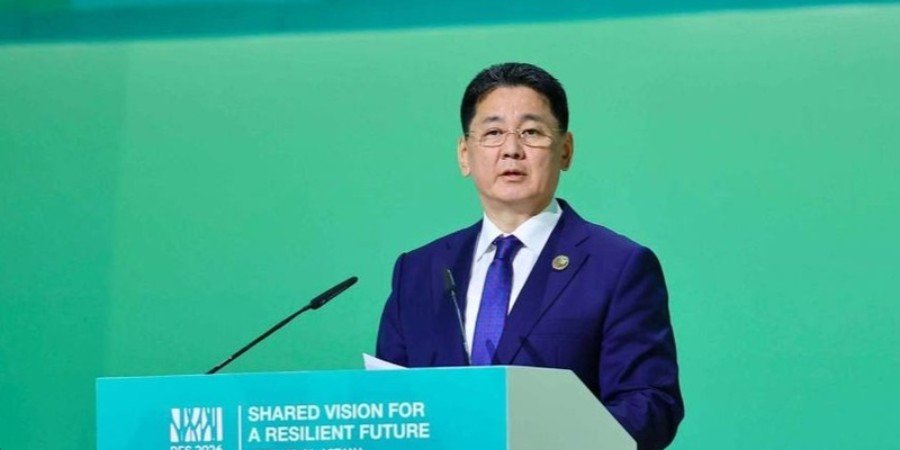
WHO and Kazakhstan are preparing to put the public-health cost of environmental damage at the center of a high-level meeting in Astana.
The WHO and Kazakhstan announcement says the session will run during RES 2026, from 22-24 April in the Kazakh capital, and will focus on the Aral Sea region, where environmental degradation continues to shape daily life and health outcomes.
The event is being framed not as a symbolic side meeting, but as a practical forum for governments, experts and international agencies to compare evidence and coordinate action.
Prime Highlights
- WHO and the Ministry of Health of Kazakhstan will jointly host a ministerial session on health and environment during the Regional Ecological Summit 2026 in Astana.
- The discussion will center on the Aral Sea region and will extend into an expanded dialogue linked to the Caspian region.
- According to WHO, the drying of the Aral Sea continues to affect people’s lives and well-being, making the health-environment link impossible to ignore.
Key Facts
- The session is scheduled for 22-24 April 2026 in Astana, Kazakhstan.
- It will gather government representatives from Central Asia and the Caspian region, along with international organizations and experts.
- The agenda is built around coordinated, evidence-based responses to environment-related health risks and stronger cross-border, intersectoral cooperation.
- RES 2026 itself was proposed by President Kassym-Jomart Tokayev during the 78th session of the UN General Assembly in September 2023, and the summit’s stated aim is to create a regional platform on climate and broader environmental challenges.
Background
The WHO and Kazakhstan to host ministerial sessions on health and environment comes at a moment when the environmental legacy of the Aral Sea is still visible in the policy debates of Central Asia.
WHO said in a 2022 Kazakhstan briefing that the country has territories prone to endemic zoonotic diseases and environmental issues such as the Aral Sea, and that the interaction between humans, animals and the environment raises the risk of public-health threats and disease spread.
WHO’s announcement explicitly ties the meeting to health consequences of environmental degradation in the Aral Sea region, a phrasing that signals a concern with downstream effects rather than abstract environmental talk.
In practical terms, that points to issues such as polluted air, water stress, disease vulnerability and the strain placed on health systems in exposed communities. The inference is straightforward: WHO is using the summit to push environmental damage into the language of public health, where ministries can no longer treat it as someone else’s file.
The Regional Ecological Summit 2026 is built around that same logic. Its official site describes the event as an international platform for dialogue and coordination among governments, regional organizations, financial institutions, development agencies, the private sector, scientists and civil society.
It also says the summit aims to develop open, practical solutions to climate and ecological challenges, using Central Asia as an example of how interregional cooperation can strengthen wider global efforts.
The WHO session fits neatly into that structure because it gives the summit something many environmental meetings lack: a direct line to health policy. Kazakhstan has been active on the issue for years, and WHO’s own regional material has repeatedly linked the country’s environmental risks to broader health preparedness.
That makes Astana a logical venue for a session that wants to move beyond declarations and toward coordination. The presence of international organizations and experts suggests the meeting is meant to be technical as well as political, with the aim of translating concern into shared response.
Frequently Asked Questions
What is the WHO and Kazakhstan to host ministerial session on health and environment at Regional Ecological Summit about?
It is a WHO-Kazakhstan session in Astana focused on the health consequences of environmental degradation in the Aral Sea region, with a wider discussion linked to the Caspian region.
When will the Regional Ecological Summit 2026 take place?
RES 2026 is scheduled for 22–24 April 2026 in Astana, Kazakhstan.
Why is the Aral Sea region central to this meeting?
WHO says the drying of the sea continues to affect people’s lives and well-being, and WHO has previously linked the region to environmental issues that increase public-health risks.
Who will attend the session?
WHO says it will bring together government representatives from Central Asia and the Caspian region, along with international organizations and experts.
What does RES 2026 aim to achieve?
According to the summit’s official site, it is intended as a platform for dialogue and coordination on climate and ecological challenges, with practical solutions for Central Asia and beyond.
Conclusion
The WHO and Kazakhstan to host ministerial session on health and environment is a clear sign that the region’s environmental agenda is becoming a health agenda too.
In Astana, the discussion is set to move from abstraction to consequence, with the Aral Sea’s long shadow forcing governments to confront what environmental neglect looks like in clinics, communities and daily life.
That is where this summit becomes interesting: not in the speeches, but in the admission that the damage is already inside the public-health system.