
Highlights:
- Thailand is adapting the WHO-backed Family United programme to help families support adolescent mental health.
- A 2026 WHO Thailand feature says a survey of 360,069 children and adolescents found 39,105 at risk of depression and 65,951 showing signs of suicide risk.
- The programme focuses on better communication at home, stronger parent-child relationships, and practical coping skills.
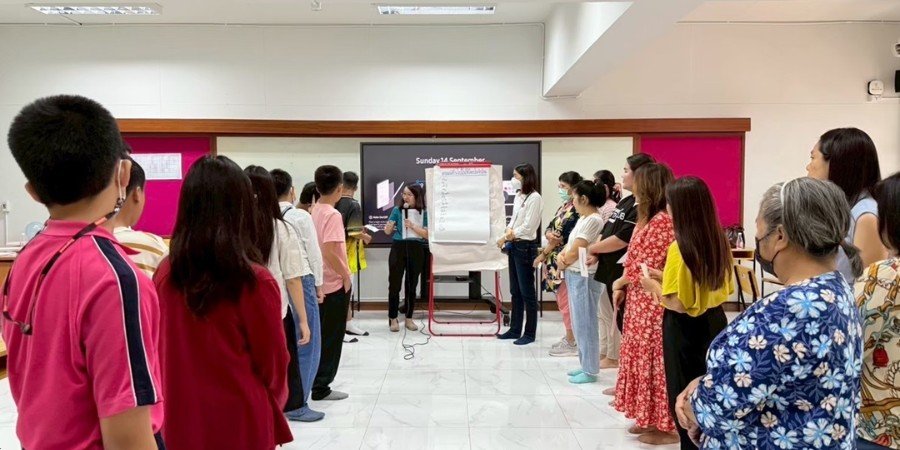
- Thailand piloted the adapted version in Bangkok, Chiang Mai, and Khon Kaen, reaching 38 families.
- WHO Thailand says the next step is broader expansion so more families can benefit from the family support model.
Key Facts:
| Item | Details |
| Primary issue | Rising adolescent mental health concerns in Thailand |
| Programme name | Family United |
| Local partners | WHO Thailand, UNODC, and Thailand’s Department of Mental Health |
| Training | 36 health professionals were trained to deliver the programme |
| Pilot sites | Bangkok, Chiang Mai, and Khon Kaen |
| Next step | Expansion across Thailand |
Background:
When adolescent mental health starts slipping, the first warning signs often show up at home. Conflict grows, conversations shrink, and small problems become harder to handle. WHO Thailand says that pattern is part of the challenge now facing young people in the country, where a large mental health check-in survey found significant signs of depression risk and suicide risk among children and adolescents.
That is where Family United comes in. The programme was originally developed by UNODC in 2017 and brings parents, caregivers, and children into separate and joint sessions. The idea is simple: stronger family relationships can support better adolescent mental health and reduce risky behaviour.
In Thailand, the programme was adapted in 2025 by WHO Thailand, UNODC, and the Department of Mental Health. The local version was rewritten to match Thai family life, including skipped-generation households.
The adapted model gives parents tools for praise, calm communication, and handling difficult behaviour. Young people learn stress coping skills and ways to resist peer pressure. Then families come back together to practise what they learned in a shared setting.
WHO Thailand says 36 health professionals were trained to deliver the programme, and the pilot across three provinces showed positive feedback from parents on children’s confidence, communication, and home relationships. A stakeholder consultation later found the programme appropriate, acceptable, and feasible for Thailand’s needs.
Why this is Important:
Thailand’s approach puts the focus on prevention. Instead of waiting for problems to deepen, the Family United Thailand model tries to strengthen families early, so adolescent mental health support begins at home. That is the practical value of the programme, and it is why WHO says expansion now matters.
Frequently Asked Questions
What is Family United?
Family United is a parenting and family support programme that helps caregivers and children improve communication and reduce risky behaviour.
Why did Thailand adapt the programme?
Thailand adapted it to fit local family life and respond to rising adolescent mental health and substance-use risks.
Where was the pilot done?
The pilot ran in Bangkok, Chiang Mai, and Khon Kaen.
What happens next?
Thailand’s Department of Mental Health will lead expansion with partners so more families can access the programme.