
Australia has reached a major health milestone. The World Health Organization has validated the country for eliminating trachoma as a public health problem, making Australia the 30th country to do so.
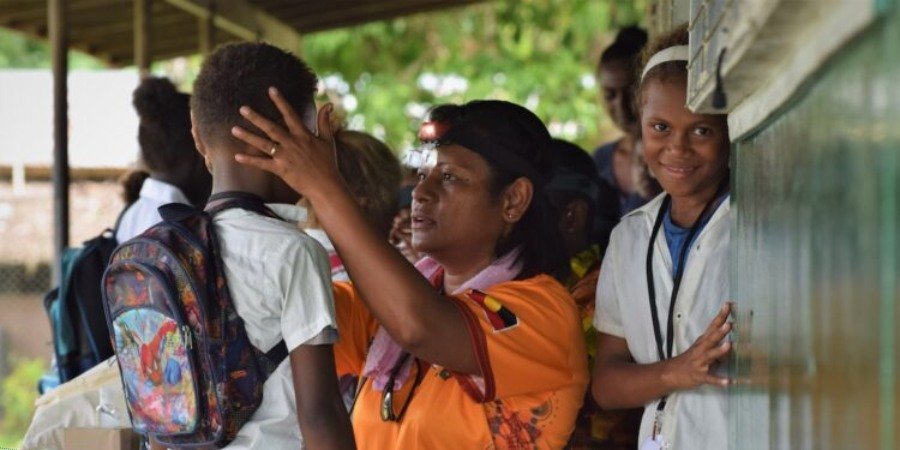
Trachoma is the world’s leading infectious cause of blindness, and the result follows years of screening, treatment, and prevention work, especially in remote Aboriginal and Torres Strait Islander communities. WHO said the achievement reflects long-term public health action and strong local partnerships.
Quick takeaways:
- Australia eliminates trachoma after decades of public health work.
- WHO says trachoma no longer poses a public health problem in the country.
- The disease can cause blindness if untreated.
- The effort centered on remote Aboriginal and Torres Strait Islander communities.
- Australia becomes the 63rd country globally to eliminate at least one neglected tropical disease.
Highlights
- WHO has validated Australia for eliminating trachoma as a public health problem.
- The milestone marks a major win for eye health, especially in Indigenous communities.
Key Facts
| Fact | Detail |
| WHO validation | Australia becomes the 30th country to eliminate trachoma as a public health problem. |
| Disease risk | Trachoma can scar eyelids and lead to blindness if untreated. |
| Main strategy | Australia used the WHO SAFE strategy: surgery, antibiotics, facial cleanliness, and environmental improvement. |
| Global context | Neglected tropical diseases affect more than 1 billion people worldwide. |
Background
Australia’s trachoma elimination did not happen overnight. WHO said the effort took decades and became stronger after the National Trachoma Management Programme began in 2006. The programme focused on regular screening, treatment, and prevention in at-risk communities.
The country’s approach relied on partnerships between governments, Aboriginal community-controlled health services, and local communities. WHO said housing, water, sanitation, and hygiene improvements also helped push down infection levels over time. That mix of health care and community action shaped Australia’s trachoma elimination story.
WHO Director-General Tedros Adhanom Ghebreyesus praised the sustained commitment behind the result. The agency said Australia’s success shows that trachoma elimination is possible even in geographically difficult settings when health systems stay focused and partnerships remain strong.
The WHO also noted that Australia now becomes the 63rd country globally and the 16th in the Western Pacific Region to eliminate at least one neglected tropical disease. That wider picture places Australia’s trachoma elimination inside a larger global public health effort.
Frequently Asked Questions
What does it mean when Australia eliminates trachoma?
It means WHO has confirmed that trachoma no longer counts as a public health problem in Australia under its elimination criteria.
Why is trachoma a serious disease?
The transmission of trachoma occurs through direct human contact and contact with infected surfaces and through the movement of flies. The disease causes permanent eye damage which leads to blindness through its repeat infections.
Which areas played the biggest role in this success?
The role of remote aboriginal and Torre Strait Islander communities was paramount in the engagement. At the same time, community-led health services and local staff played a crucial role.