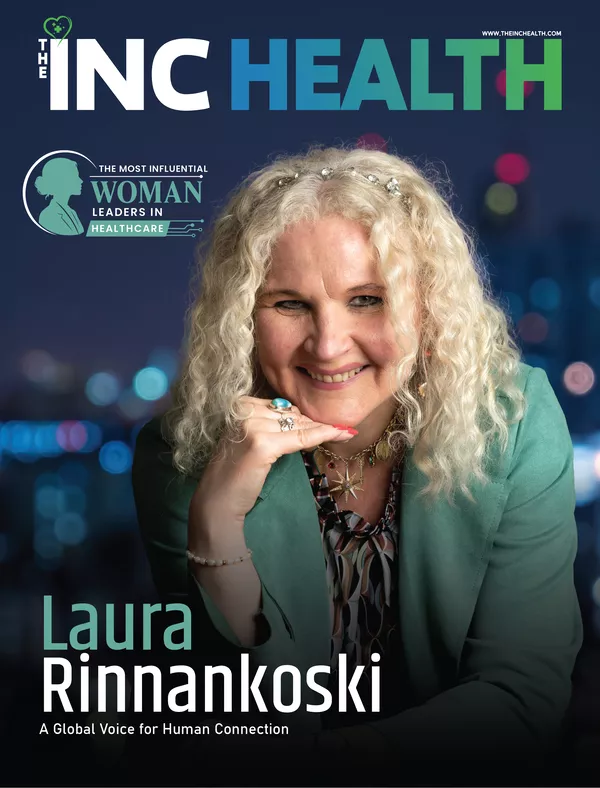


The healthcare industry is standing at the threshold of a new era. By 2030, advances in technology, evolving patient expectations, demographic shifts, and growing demands for accessible care will continue to transform how healthcare is delivered around the world. While innovation and infrastructure will play important roles in this evolution, one of the most significant forces shaping the future of healthcare will be leadership. Increasingly, women are emerging as influential leaders across every segment of the healthcare ecosystem, driving meaningful change and redefining what effective leadership looks like in a rapidly changing industry.
A New Chapter in Healthcare Leadership
For decades, women have been the backbone of healthcare systems, contributing significantly as nurses, caregivers, physicians, researchers, and healthcare professionals. Despite their substantial presence within the workforce, leadership positions were historically dominated by men. Today, that narrative is changing.
Women are taking on executive roles in hospitals, healthcare organizations, pharmaceutical companies, biotechnology firms, and public health institutions at an unprecedented rate. Their growing representation is not simply a matter of diversity; it is a reflection of the value they bring through strategic thinking, collaboration, and a deep understanding of patient needs. As healthcare becomes more complex, organizations are increasingly recognizing the importance of leadership styles that prioritize adaptability, communication, and long-term sustainability.
Driving Innovation with Purpose
Innovation has become a defining feature of modern healthcare. Artificial intelligence, digital health platforms, telemedicine, wearable technologies, and predictive analytics are reshaping patient care and operational efficiency. Women leaders are playing a crucial role in ensuring that these innovations remain focused on improving human outcomes rather than simply advancing technology for its own sake.
Many female healthcare executives and entrepreneurs are leading initiatives that bridge the gap between technological advancement and patient-centered care. Their approach often emphasizes practical implementation, accessibility, and ethical responsibility. As healthcare organizations continue investing in digital transformation, women leaders will remain central to guiding these changes in ways that create measurable value for both patients and providers.
Transforming the Patient Experience
Healthcare is increasingly moving toward a model that prioritizes the entire patient journey rather than isolated medical interventions. This shift requires leaders who understand the importance of empathy, communication, and personalized care.
Women leaders have been particularly influential in advancing patient-centered healthcare strategies. By focusing on patient engagement, care coordination, and holistic wellbeing, they are helping organizations improve both clinical outcomes and patient satisfaction. Their leadership is encouraging healthcare providers to view patients not merely as recipients of treatment but as active participants in their own healthcare experiences.
As personalized medicine continues to evolve, this emphasis on understanding individual patient needs will become even more critical. The healthcare organizations that succeed in 2030 will likely be those that balance advanced medical capabilities with compassionate and responsive care models.
The Rise of Women Healthcare Entrepreneurs
Entrepreneurship is becoming an increasingly important driver of healthcare innovation, and women are making remarkable contributions in this space. Across the globe, female founders are launching companies focused on solving some of healthcare’s most pressing challenges.
From digital health platforms and telemedicine solutions to medical devices and wellness technologies, women-led startups are introducing innovative approaches that improve access, efficiency, and quality of care. Many of these entrepreneurs are addressing gaps that have historically been overlooked, creating solutions that better serve diverse populations and underserved communities.
By 2030, women entrepreneurs are expected to have an even greater influence on the healthcare landscape, contributing not only to technological innovation but also to the development of more inclusive and equitable healthcare systems.
Strengthening Public Health and Policy
The future of healthcare extends beyond hospitals and clinics. Public health, policy development, and community health initiatives will play a vital role in addressing global health challenges and improving population outcomes.
Women leaders are increasingly shaping healthcare policy at local, national, and international levels. Their contributions are helping drive conversations around health equity, preventive care, workforce development, and healthcare accessibility. Through evidence-based decision-making and collaborative leadership, they are influencing policies that create stronger and more resilient healthcare systems.
As governments and institutions prepare for future healthcare challenges, the perspectives and expertise of women leaders will be essential in designing solutions that balance innovation, affordability, and long-term sustainability.
Building the Workforce of Tomorrow
One of the greatest challenges facing healthcare is the need to attract, develop, and retain talented professionals. Workforce shortages, burnout, and changing workplace expectations are creating significant pressures across the industry.
Women leaders are often at the forefront of initiatives designed to strengthen workplace culture and employee engagement. Through mentorship programs, leadership development initiatives, and a focus on professional growth, they are helping healthcare organizations build more resilient and motivated teams.
Their commitment to fostering inclusive workplaces is also creating pathways for future generations of healthcare professionals. By investing in people as much as processes, women leaders are ensuring that healthcare organizations remain equipped to meet future demands.
Shaping a More Inclusive Future
Diversity is increasingly recognized as a critical factor in organizational success. Healthcare systems serve diverse populations with varying needs, and leadership teams that reflect this diversity are often better positioned to understand and address those needs effectively.
Women leaders bring valuable perspectives that contribute to better decision-making, stronger collaboration, and more innovative problem-solving. Their presence at the leadership table helps organizations develop strategies that are both inclusive and responsive to the communities they serve.
As healthcare continues to evolve, inclusive leadership will become not only a social priority but also a strategic advantage.
Looking Ahead to 2030
The healthcare sector of 2030 will be defined by transformation. Advances in technology, changing patient expectations, and global health challenges will require leaders who can navigate uncertainty while remaining focused on delivering meaningful outcomes.
Women are already demonstrating their ability to lead through complexity, inspire innovation, and create lasting impact. Their expanding influence is shaping the future of healthcare across clinical, technological, entrepreneurial, and policy-driven domains.
As the industry moves toward a new decade, the growing presence of women in leadership positions represents more than progress in representation. It signals a broader shift toward a healthcare system that values collaboration, innovation, inclusivity, and human-centered care. In many ways, the future of healthcare will be defined by the women who are helping build it today.