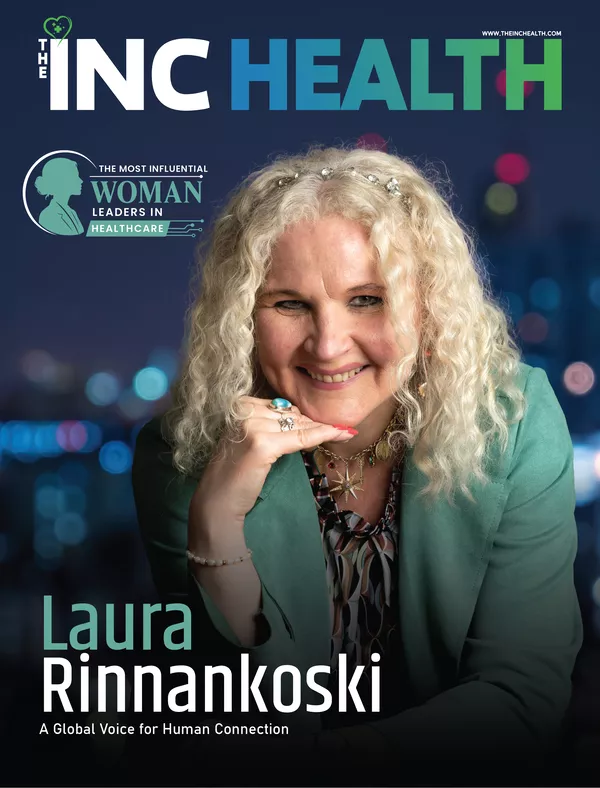


Healthcare has always been a unique industry where success cannot be measured solely by revenue, growth, or market share. At its core, healthcare is about people. Every strategic decision, technological investment, operational improvement, and policy change ultimately affects human lives. As healthcare organizations navigate increasing complexity, rising patient expectations, and rapid technological advancement, a new leadership approach is gaining recognition. Women healthcare executives are demonstrating that exceptional business performance and exceptional patient care are not competing priorities but complementary goals.
Across hospitals, healthcare systems, pharmaceutical companies, medical technology firms, and healthcare startups, women leaders are helping redefine what sustainable success looks like. Their experiences offer valuable lessons for organizations seeking to balance operational excellence with compassionate care.
Leading with Purpose
One of the most notable characteristics of many successful women healthcare executives is their strong sense of purpose. While financial sustainability remains essential, they often emphasize the broader mission of improving lives and strengthening communities.
Purpose-driven leadership creates clarity throughout an organization. When employees understand how their work contributes to better patient outcomes, engagement and accountability naturally increase. Women leaders frequently connect business objectives with organizational purpose, ensuring that growth strategies remain aligned with patient needs and community wellbeing.
This approach is becoming increasingly important as healthcare organizations face pressure to improve efficiency while maintaining high standards of care. Purpose serves as a guiding principle that helps leaders make decisions that support both organizational success and patient outcomes.
The Power of Patient-Centered Thinking
Modern healthcare is undergoing a significant shift toward patient-centered care. Rather than focusing solely on clinical treatment, healthcare providers are increasingly considering the complete patient experience, from accessibility and communication to recovery and long-term wellbeing.
Women healthcare executives have been instrumental in advancing this transformation. Many have championed initiatives that prioritize patient engagement, personalized care, and improved communication between providers and patients.
This patient-centered mindset offers an important business lesson. Organizations that genuinely understand the needs of those they serve are often better positioned to build trust, improve satisfaction, and achieve stronger long-term results. In healthcare, patient trust is one of the most valuable assets an organization can possess, and leaders who prioritize that trust often create lasting competitive advantages.
Building Strong Organizational Cultures
A healthcare organization’s culture directly influences the quality of care it delivers. Positive workplace environments support collaboration, innovation, and employee wellbeing, while unhealthy cultures can contribute to burnout, turnover, and reduced performance.
Women executives often place significant emphasis on culture-building. They recognize that healthcare professionals perform at their best when they feel valued, supported, and empowered. By fostering environments built on respect, transparency, and collaboration, these leaders help create workplaces where employees can thrive.
Strong organizational cultures also improve resilience. Healthcare professionals frequently operate in high-pressure environments, and organizations with supportive cultures are better equipped to navigate challenges while maintaining service quality and employee engagement.
Balancing Compassion with Performance
One of the most persistent misconceptions in business is that compassion and performance exist at opposite ends of the leadership spectrum. Women healthcare executives are proving otherwise.
Compassionate leadership does not mean lowering expectations or avoiding difficult decisions. Instead, it involves understanding the human impact of those decisions while maintaining accountability and excellence. Leaders who demonstrate empathy often build stronger relationships, improve communication, and create higher levels of trust throughout their organizations.
In healthcare, where professionals regularly face emotional and physical demands, compassionate leadership can have a significant impact on morale and productivity. Organizations that care for their employees are often better positioned to care for their patients.
Embracing Innovation Responsibly
Technology is transforming healthcare at an unprecedented pace. Artificial intelligence, telemedicine, data analytics, remote monitoring, and digital health platforms are creating new opportunities to improve care delivery and operational efficiency.
Women healthcare executives are increasingly leading digital transformation initiatives while ensuring that innovation remains focused on patient outcomes. Rather than pursuing technology for its own sake, they often prioritize solutions that address real challenges and create measurable improvements.
This balanced approach offers an important lesson for organizations across industries. Innovation is most valuable when it serves a clear purpose. Successful leaders evaluate new technologies not only for their capabilities but also for their ability to enhance experiences, solve problems, and deliver meaningful results.
Strengthening Diversity and Inclusion
Diversity is part of the makeup of patients that healthcare deals with, each having different needs, experiences, and perspectives. Good leadership in this case involves knowing about this diversity and trying to make sure that healthcare organizations are accessible to everyone.
Women leaders in healthcare have done a lot to ensure that issues of diversity are considered in their organizations, thus providing access to people who are normally not part of the healthcare process in any way. They have contributed towards diversity and inclusiveness in healthcare in different ways.
The benefits of diversity in healthcare include better decision-making as the different perspectives provide innovative thinking.
Lessons for the Future
In future, as the healthcare sector keeps evolving, the lessons that have been learnt from the women healthcare executives will continue to be relevant. The leadership of the women has proven that the greatest success of organizations is achieved when organizations build their successes based on a purpose, empathy, innovation, and human-centric leadership.
In any business, healthcare in particular, financial matters, effectiveness, and growth will always be key factors. However, what great businesses in the health industry do know is that great business results can start from great patient care. In today’s health care industry, women leaders in health care organizations have shown how success can be sustainable through placing patients first, empowering employees, responsible innovation, and authentic leadership.