
Healthcare is undergoing one of the most significant transformations in its history. While advances in medical science have long improved the diagnosis and treatment of disease, the next frontier of progress lies in how healthcare is delivered. Intelligent hospitals are emerging as the cornerstone of this evolution, combining digital technologies, data-driven decision-making, and connected systems to create environments where patient care is more efficient, personalized, and responsive than ever before.
Unlike traditional healthcare facilities, intelligent hospitals extend beyond modern medical equipment. They integrate artificial intelligence, cloud computing, Internet of Things (IoT) devices, robotics, predictive analytics, and interoperable digital platforms into everyday clinical operations. The result is a healthcare ecosystem where information flows seamlessly across departments, enabling healthcare professionals to make faster, more informed decisions while improving the overall patient experience.
A Connected Ecosystem for Better Care
One of the defining characteristics of intelligent hospitals is the ability to connect every aspect of patient care through digital infrastructure. Electronic health records, diagnostic imaging, laboratory systems, pharmacy services, and administrative platforms communicate in real time, eliminating information silos that have traditionally slowed clinical workflows.
When physicians have immediate access to a patient’s complete medical history, previous test results, medication records, and treatment plans, they can make more accurate clinical decisions. This integrated approach reduces duplication of tests, minimizes medical errors, and shortens the time between diagnosis and treatment. More importantly, patients benefit from continuity of care, even when multiple specialists are involved in managing complex conditions.
The seamless exchange of information also enhances collaboration among healthcare teams. Specialists can review patient data simultaneously, consult remotely, and coordinate treatment plans more effectively, ensuring that care remains consistent throughout the patient’s journey.
Artificial Intelligence as a Clinical Partner
Artificial intelligence is becoming an invaluable partner for clinicians rather than a replacement for medical expertise. AI-powered systems analyze vast volumes of clinical data within seconds, identifying patterns that may be difficult for humans to detect.
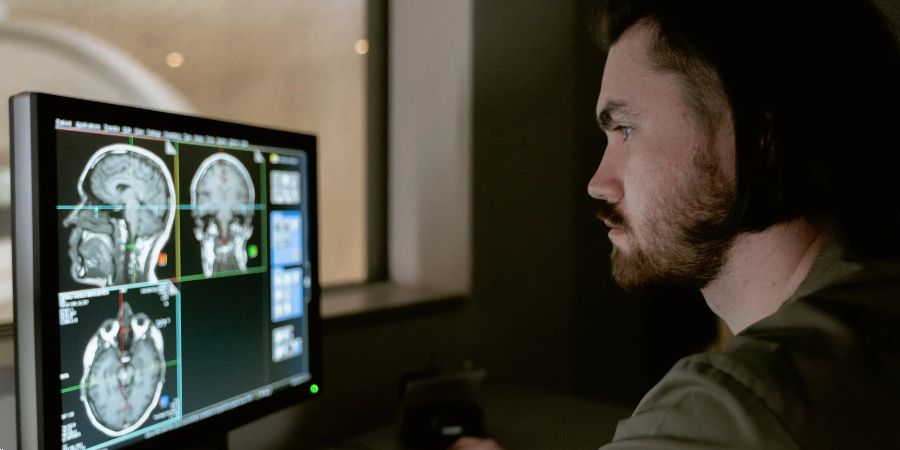
In diagnostic imaging, AI assists radiologists by highlighting potential abnormalities in X-rays, CT scans, and MRIs, improving both speed and accuracy. Predictive analytics help clinicians identify patients at higher risk of complications, allowing interventions before conditions worsen. AI algorithms can also support medication management by detecting possible drug interactions and recommending evidence-based treatment pathways.
These technologies reduce administrative burdens while allowing physicians to dedicate more time to patient interaction. Rather than replacing clinical judgment, intelligent systems strengthen decision-making by providing additional insights supported by comprehensive data analysis.
Remote Monitoring Beyond Hospital Walls
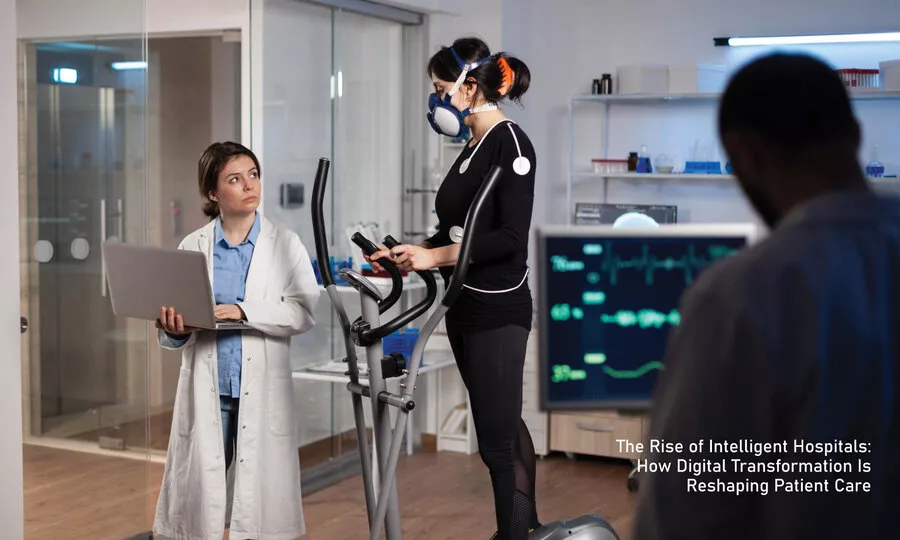
Digital transformation has expanded healthcare far beyond physical hospital facilities. Remote patient monitoring enables healthcare providers to track patients after discharge through wearable devices and connected medical equipment that continuously measure vital signs such as heart rate, blood pressure, oxygen saturation, and glucose levels.
For patients managing chronic diseases, this continuous flow of information provides earlier detection of potential health issues and reduces the need for frequent hospital visits. Healthcare professionals can intervene before complications become emergencies, improving patient outcomes while reducing healthcare costs.
This shift represents a transition from reactive healthcare toward proactive care. Instead of responding only after symptoms become severe, intelligent hospitals use real-time data to anticipate health risks and initiate timely interventions.
Enhancing the Patient Experience
Digital transformation is also about improving the patient experience. Digital appointment scheduling, online registration, mobile health applications, virtual consultations, and electronic access to medical records are becoming more common in modern hospitals.
Patients can view more of their healthcare journey, so they can be more involved in decisions about their treatment. Automated reminders help patients to take their medications and to attend appointments, and digital communication channels make it easier to connect with healthcare providers.
Automated check-ins, smart room management systems, and digital navigation are technologies that make hospital visits easier inside hospitals and help reduce waiting times. These improvements generate a more patient-focused environment where convenience complements clinical excellence.
Smarter Operations for Better Outcomes
Operational efficiency is optimized through automation and predictive analytics behind the scenes at intelligent hospitals. Real-time dashboards enable hospital administrators to track bed availability, staffing needs, operating room scheduling, and equipment utilization.
Hospitals can more effectively allocate resources during times of increased demand with the use of artificial intelligence to predict patient admissions. Automated inventory management helps keep track of essential medical supplies and reduce wastage.
Robotic process automation easily automates repetitive administrative tasks, such as billing, scheduling appointments, and documentation, freeing up healthcare providers to spend their time providing quality patient care instead of paperwork.
Such operational improvements reduce costs and improve the quality and speed of healthcare delivery throughout the organization.
The Future of Intelligent Healthcare
The development of intelligent hospitals is still in its early stages. Emerging technologies such as digital twins, advanced robotics, precision medicine, and generative artificial intelligence are among those that promise to further transform patient care in the years to come. Such technologies will allow for more personalized treatment plans, faster diagnoses, and more efficient healthcare operations.
But technology alone can’t dictate the future of health care. The most successful intelligent hospitals will be those that marry digital innovation with compassionate, human-centric care. Human expertise, empathy and clinical experience will remain at the center of every health care interaction.