

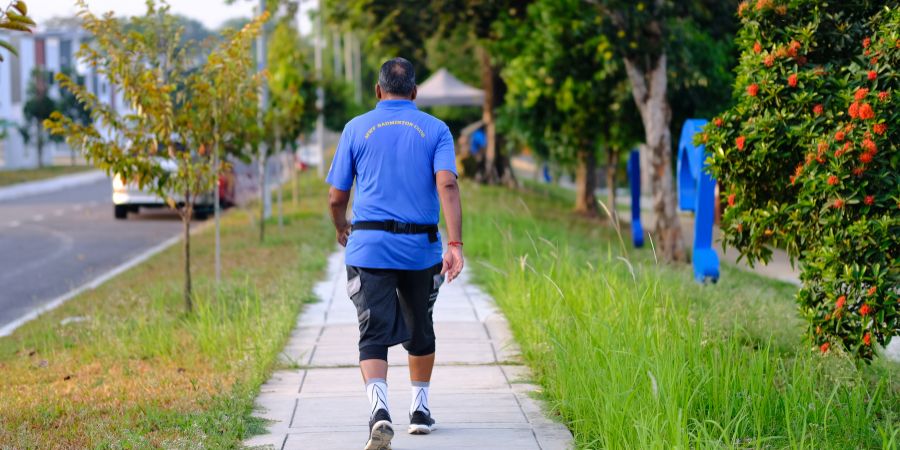
A six-week clinical trial suggests that spreading physical activity across the working day may regulate blood glucose better than packing the same amount of exercise into one session.
Many people who exercise regularly assume a dedicated workout cancels out a day spent sitting. New research suggests the picture is more complicated. When you move during the day may affect how your body handles blood sugar, not just how much you move.
A randomised clinical trial published in the journal Obesity on November 18, 2026, found that adults who broke up long periods of sitting with short, brisk walks improved their daily blood glucose patterns more than adults who walked the same total time in one continuous session.
The findings matter most for people whose jobs keep them at a desk, in back-to-back meetings or in front of a screen for hours at a stretch.
The study does not say longer walks are ineffective. It raises a narrower point about metabolic health: regular movement throughout the day may offer benefits that a single workout cannot.
What Did the Researchers Find?
The trial enrolled 30 adults with overweight or obesity who reported sitting for more than six hours a day. Researchers randomly assigned them to one of two groups and tracked them for six weeks.
Both groups had the same target: 45 minutes of brisk walking a day, five days a week. The only difference was how they walked.
One group split its walking into short bouts spread across the day, roughly five minutes at regular intervals. The other group walked for 45 minutes without stopping.
Researchers measured glucose regulation and insulin sensitivity before and after the six weeks. Participants also wore continuous glucose monitors, which recorded their blood sugar through ordinary daily life.
The two approaches produced different results.
Participants who walked in short bouts spent more time in the target blood glucose range. Their time in range rose from 82% to 94%. Their glucose variability also improved, which means their daily readings were steadier.
The continuous-walk group did not show comparable improvements on these measures.
One detail deserves attention. Neither group improved whole-body insulin sensitivity in a meaningful way. The researchers did see better glucose clearance during an intravenous glucose tolerance test in the group that took regular walking breaks.
That distinction matters. Glucose regulation and insulin sensitivity are related, but they are different measures of metabolic health.
The study’s corresponding author, Audrey Bergouignan of the French National Centre for Scientific Research (CNRS) and the University of Colorado Anschutz Medical Campus, said the way people spread activity through the day may be as important as the amount they do.
Why Could Sitting for Long Hours Affect Blood Sugar?
The answer lies in how muscles and glucose interact.
After a meal, the body breaks carbohydrates down into glucose, which enters the bloodstream. Insulin, a hormone made by the pancreas, helps move that glucose into cells, where the body uses it for energy.
Muscles play a major part in this process. When they contract during activity, they pull glucose out of the blood, partly through pathways that do not rely fully on insulin.
During long periods of sitting, the muscles do very little of this work. A daily workout is valuable, but it does not cover the many hours of stillness before and after it.
Short walking breaks bring repeated bursts of muscle contraction. This may help the body clear circulating glucose more steadily, instead of leaving most of the work to one part of the day.
Earlier research points the same way. A 2026 meta-analysis in Obesity Reviews pooled laboratory trials of activity breaks and found that walking breaks reduced post-meal glucose and insulin responses more than other types of breaks. The effect on glucose was moderate (SMD −0.33), and breaks every 20 minutes worked best. The largest effect appeared in people living with obesity, although that estimate carried wide uncertainty.
A smaller crossover study of 18 men with overweight or obesity produced a similar result. Ten three-minute walks, spaced 45 minutes apart across an 8.5-hour day, lowered blood glucose more than one 30-minute walk, even though the total walking time was identical.
Together, these results suggest that the spread of exercise across the day can shape glucose control, even when total walking time stays the same.
Does This Mean One Long Workout Is No Longer Enough?
No. The findings are not a reason to give up regular exercise.
A continuous 45-minute walk still brings real benefits. Physical activity supports cardiovascular fitness, muscle function, weight management and overall metabolic health.
The trial asked a narrower question: does splitting the same amount of walking into shorter sessions change blood glucose outcomes in sedentary adults?
The answer suggests that structured exercise and regular movement breaks do different jobs, and the two work well together.
Consider someone who exercises before work and then sits for eight or nine hours. Short walks during the working day could be a practical way to cut down on unbroken sitting.
The research does not show that this approach prevents type 2 diabetes or reverses it. Answering that would take larger and longer studies.
How Can Working Professionals Include Walking Breaks?
Fitting in another workout is hard for many people. This study points to a more manageable option: spread some of your activity across hours you already spend working.
A few small changes can help:
- Take short walking breaks: Try a brisk five-minute walk during long stretches of desk work.
- Walk between meetings: Use gaps to move around instead of going straight to another seat.
- Take phone calls while walking: When you can, walk during calls that do not need a screen.
- Walk after meals: A short walk after eating can support post-meal glucose control.
- Keep regular exercise in your routine: Walking breaks should add to your usual activity, not replace it.
Steady habits work better than trying to make up for a whole day of sitting with a few bursts of exercise.
What Are the Limitations of the Research?
The results are encouraging, but the study has clear limits.
First, it included only 30 participants, so the results are hard to generalise to the wider population. It also ran for six weeks, which means researchers cannot say whether the benefits would last for months or years.
All participants had overweight or obesity and were sedentary. The results may not hold in the same way for people at a normal weight, older adults or people who already have type 2 diabetes.
Results in people with diabetes have been mixed so far. In one earlier randomised trial in type 2 diabetes, a single continuous walk after breakfast lowered daily high blood sugar more than short breaks after each meal. Both approaches reduced the blood sugar spike after breakfast.
The study also measured changes in glucose regulation, not long-term outcomes such as diabetes prevention, cardiovascular complications or lower medication needs.
Larger and more diverse studies will be needed to show what these findings mean over the long term.
The Takeaway
This research adds a useful point to the conversation about exercise and metabolic health. The number of minutes you spend exercising is only part of the story. How you spread those minutes through the day may matter too.
For people who sit for most of the working day, short walking breaks could offer another way to support healthier blood glucose patterns.
The practical lesson is to keep up your regular exercise, and do not treat the rest of the day as a license to stay still. A few minutes of movement between tasks is a worthwhile addition to an otherwise sedentary routine.