
Which African countries just ended their polio outbreaks?
Burundi, Ghana, Guinea-Bissau, the Republic of Congo, and Uganda. WHO’s Regional Office for Africa has formally closed the poliovirus type 2 outbreaks in all five, after assessments run between January and June 2026 found that transmission had actually stopped in each place, not just slowed down.
Who decided the outbreaks were really over?
That call came from the Independent Outbreak Response Assessment team, or OBRA, whose job is basically to go country by country and pressure-test the data. They dug into surveillance records, lab results, and epidemiological findings before signing off. From there, the WHO Regional Office in Brazzaville did its own review and made the closures official.
How did each country actually get here?
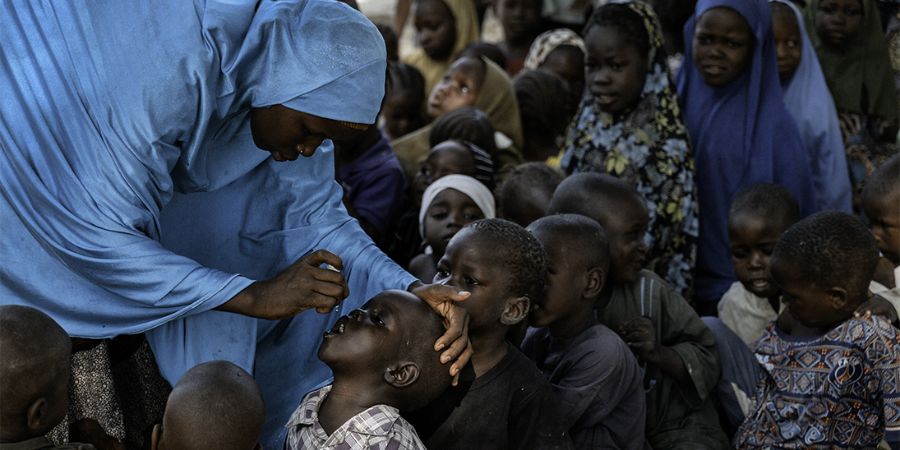
No two paths looked exactly alike, though the ingredients were similar: catch cases fast, vaccinate hard, and don’t let surveillance slip. The Republic of Congo leaned on repeated, high-quality vaccination rounds after detecting the virus, and hasn’t seen a case since December 2023.
Burundi, which declared its outbreak back in 2023, worked with the Global Polio Eradication Initiative to push routine immunization and widen its environmental monitoring. Uganda and Ghana both put money into upgrading their labs after 2024 detections, so they could spot the virus faster next time. Guinea-Bissau took a slower, steadier route, reaching communities that vaccination campaigns often miss, and its last detection dates back to July 2021.
Does this mean polio is gone for good in these countries?
Not quite, and health officials aren’t pretending otherwise. Closing an outbreak is a technical finding based on the evidence at hand, not a permanent guarantee.
The virus can still slip back in from elsewhere, and that’s not just theoretical, Madagascar had already closed its own outbreak before a new detection turned up there. It’s the kind of thing that keeps surveillance teams from relaxing even after good news.
Why does this matter beyond these 5 countries?
Every outbreak that gets closed shrinks the amount of poliovirus actually circulating, which moves the whole region closer to eradication. Dr. Mohamed Janabi, WHO’s Regional Director for Africa, called it evidence of what strong national leadership and coordinated health systems can pull off, while also being clear that the job isn’t finished.
Other partners made similar points in their own way. Rotary International’s Mike McGovern tied it back to something simpler, fewer children now facing the risk of lifelong paralysis.
UNICEF’s regional directors gave the credit to frontline health workers and the trust they’ve built in communities, and Gavi’s Thabani Maphosa noted that the surveillance and outreach infrastructure built for this fight will keep paying off against other vaccine-preventable diseases long after polio itself is gone.
What are countries doing to keep new outbreaks from starting?
A few things, mostly aimed at not missing anything. Surveillance for acute flaccid paralysis has expanded, lab networks have been upgraded so results come back faster, and geographic mapping tools are now being used to track population movement and flag settlements that vaccination teams might otherwise skip.
The goal is simple even if the execution is not: find every child who hasn’t been reached yet, especially in border areas and places that tend to fall through the cracks.
Conclusion
Five countries have genuinely stopped active polio transmission, confirmed through independent WHO-led review, and that’s real progress toward a polio-free Africa. But nobody involved is calling this finished.
Keeping it this way depends on the same things that got them here, steady vaccination coverage and surveillance that doesn’t let up.