
5 people dead. 9 hospitalised. And summer is not over.
Louisiana health officials confirmed Thursday that Vibrio vulnificus, the bacterium commonly referred to as flesh-eating bacteria, has already claimed 5 lives in the state in 2026. Every single patient contracted it the same way: a wound that came into contact with seawater. And every single one of them had an underlying health condition.
Those numbers might sound contained. They are not.
Over the past decade, Louisiana averaged 7 Vibrio vulnificus cases per year and just one death. This year, the state has hit 5 deaths from 9 cases before August is even finished. That is a pattern that has been building steadily for several years now.
What is Vibrio vulnificus Bacteria?
Vibrio vulnificus lives naturally in warm, brackish coastal water, the kind you find where rivers mix with the sea along the Gulf Coast. It is not something you catch from another person. It does not spread through the air. It gets into your body one of two ways: through an open wound in contaminated water, or by eating raw or undercooked shellfish, most commonly oysters.
There are about a dozen Vibrio species that cause illness, but Vibrio vulnificus is by far the most dangerous. The CDC estimates roughly one in five people who contract it will die, and in serious cases, it can also lead to amputations.
The terrifying part is how fast it moves. About one in 5 people with a Vibrio vulnificus infection dies, sometimes within a day or two of becoming sick. By the time someone realises something is seriously wrong, the window for treatment can already be closing.
Why are Vibrio vulnificus Cases So Bad in 2026?
The honest answer is that 2026 did not come out of nowhere. Louisiana has been trending in the wrong direction for a while.
In 2025, the state recorded at least 26 cases and 5 deaths, nearly four times its 10-year average for cases. Florida has seen the same pressure. The Florida Department of Health recorded 19 deaths from Vibrio vulnificus in 2024, five more in 2025, and two already this year.
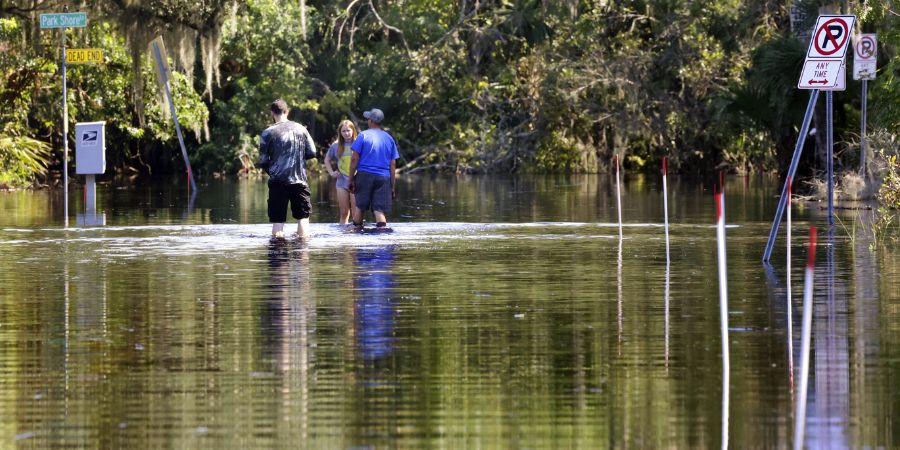
Part of the explanation is storms. Florida saw higher infection rates following major hurricanes, including Hurricane Helene in 2024, which pushed floodwater and standing water deep into communities, putting untold numbers of people with minor cuts and scrapes in contact with bacteria-laden water without ever stepping foot on a beach.
The other part is warming water. Scientists have been tracking this for years. Rising water temperatures caused by climate change are extending the risk of Vibrio vulnificus infections into regions that never used to worry about it. This spring, the bacteria was detected in water samples from New York’s Long Island, a sign that the Gulf Coast label no longer fully describes where this threat lives.
A 2023 study published in Scientific Reports analysed three decades of Eastern US infection data and found that between 1988 and 2018, Vibrio vulnificus wound infections increased eightfold, and the northern boundary of cases shifted north by about 30 miles every single year.
Who is Most at Risk for Vibrio vulnificus Bacteria?
All 9 Louisiana patients this year had underlying health conditions. That is consistent with everything the CDC knows about Vibrio vulnificus.
People with the following conditions face significantly higher risk of a severe or fatal infection:
- Liver disease
- Cancer
- HIV
- Thalassemia
- Anyone receiving immune-suppression treatment
While healthy people may recover from Vibrio infections with antibiotics and supportive care, those with chronic conditions are far more vulnerable.
That said, Vibrio vulnificus is not a bacterium that only goes after the already sick. Healthy people have died from it too. The difference is the odds, and with a one-in-five mortality rate, the odds are already not in anyone’s favour.
What are the Warning Signs for Vibrio vulnificus?
If you have been in coastal water and something feels wrong, do not wait to see if it improves.
Louisiana health officials say to seek medical care immediately if a wound exposed to brackish or salt water becomes red, swollen, painful, warm, or discoloured, and to tell the healthcare provider about any water exposure.
Symptoms of a bloodstream infection include fever, chills, dangerously low blood pressure, and skin lesions. Gastrointestinal symptoms, nausea, vomiting, stomach cramps, diarrhoea, can follow consumption of contaminated shellfish.
The phrase “immediately” is doing a lot of work in that guidance. With Vibrio vulnificus, hours genuinely matter.
How to Protect Yourself Right Now from Vibrio vulnificus
Vibrio infections peak between May and October, when ocean water temperatures are at their warmest. That means right now, August, is exactly the highest-risk period.
Health officials recommend:
- Stay out of salt or brackish water if you have any open wound, even a small cut or scrape.
- If you must enter the water, cover the wound with a waterproof bandage and wash it thoroughly with soap immediately after.
- Do not eat raw or undercooked shellfish, particularly oysters.
- Keep cooked and raw seafood completely separate during preparation.
- After handling raw seafood, wash hands with soap and water before touching anything else.
These are the specific points of failure in every case Louisiana has documented this year.
The Bigger Picture Nobody Should Ignore
5 deaths in Louisiana. Two more in Florida. Vibrio vulnificus showing up in Long Island water samples for the first time.
“It’s not just a Gulf Coast phenomenon any longer,” one infectious disease specialist told reporters recently, a line that deserves to sit with anyone who spends summer near the water anywhere on the eastern seaboard.
The bacteria itself has not changed. What has changed is the environment it thrives in. Warmer water, more frequent and intense storms, and a growing elderly population with more underlying health conditions all point in the same direction.
Louisiana’s numbers this summer are a warning. The question is whether enough people are paying attention before they wade in.