
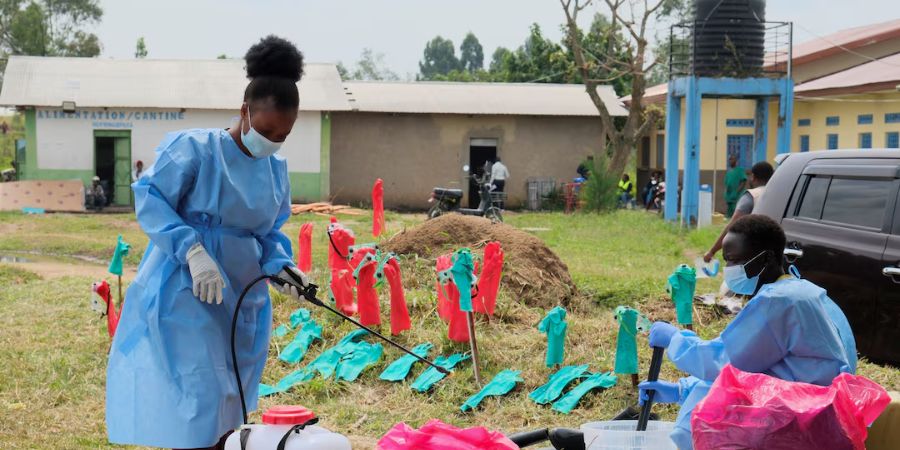
GENEVA ‒ The fast-moving Ebola outbreak currently spreading through the Democratic Republic of the Congo (DRC) started weeks before local health teams picked it up, according to health officials from the World Health Organization.
Detailed field investigations show that the virus was already moving quietly through rural villages long before anyone officially raised the alarm. That lost time gave the virus a head start, allowing multiple chains of transmission to root themselves deep inside regional communities before containment teams could step in.
What Happened in Congo’s Latest Ebola Outbreak?
Health workers analyzing patient blood samples and tracing early contacts discovered that initial Ebola infections were misdiagnosed back in the spring. Doctors in rural clinics treated those early patients for standard conditions like malaria or routine viral fevers.
Because early Ebola symptoms, fever, body aches, severe fatigue, and stomach upset, look identical to common tropical diseases, clinics didn’t trigger emergency infection protocols right away. By the time lab tests confirmed the presence of the Zaire ebolavirus strain, the virus had already crossed health zone boundaries.
“Our retrospective work shows the virus jumped to humans well before anyone logged the first official report,” a WHO emergency coordinator confirmed. “When an outbreak goes unnoticed for weeks, standard contact tracing becomes twice as difficult.”
Key Details and Impacted Regions
Field teams in the affected provinces face major hurdles as they try to get ahead of the virus:
- Hidden infection chains: Investigators keep finding small clusters of cases that don’t connect to any previously known patient.
- Clinic exposure: Healthcare workers unknowingly contracted the virus while treating patients without sufficient protective gear.
- Burial risks: Traditional funeral rites conducted before anyone realized Ebola was present caused additional exposure among relatives.
|
Outbreak Detail |
Current Status |
|
Identified Virus Strain |
Zaire ebolavirus |
|
Estimated Lag Time |
2 to 3 months before detection |
|
Primary Vectors |
Direct contact with fluids, unsafe clinic settings |
|
Current Control Phase |
Targeted ring vaccination and direct surveillance |
Why Was the Outbreak Detected So Late?
Getting clear health data out of remote DRC provinces is notoriously tough, and several factors slowed down identification:
- Difficult transport routes: Sample collection tubes had to travel over rough dirt roads and waterways just to reach testing labs in Kinshasa, burning precious days.
- Confusing symptoms: Early patients showed generic symptoms that looked like typical local illnesses, leading staff to treat them for malaria or typhoid.
- Weak monitoring networks: Rural health posts lacked the baseline monitoring gear needed to log unexpected spikes in patient deaths.
What Happens Next in the Containment Effort?
The DRC Ministry of Health and international response units are rushing field diagnostic units, isolation tents, and vaccine supplies directly to the hotspots. They are leaning heavily on the single-dose ERVEBO vaccine to protect people living near confirmed cases.
Current emergency priorities:
- Deploying local outreach teams to trace every individual who interacted with a known patient.
- Delivering monoclonal antibody therapies like Inmazeb and Ebanga straight to regional treatment sites.
- Working with community leaders to adjust burial habits safely while respecting local customs.
Frequently Asked Questions
When did the Congo Ebola outbreak actually begin?
Field data gathered by the WHO indicates the virus began spreading two to three months before official declaration. It went unnoticed mainly due to overlapping disease symptoms and remote geography.
How is Ebola virus disease transmitted?
Ebola spreads when someone comes into direct contact with infected bodily fluids (blood saliva etc.), or by contact with objects that have been infected by these bodily fluids.
What treatments and vaccines are currently being used?
Ebola responders are giving the ERVEBO vaccine to individuals who have been in contact directly with an infected person only, as well as using special antibody treatments (like Inmazeb and Ebanga) for the people who have already been infected and have symptoms of the disease.