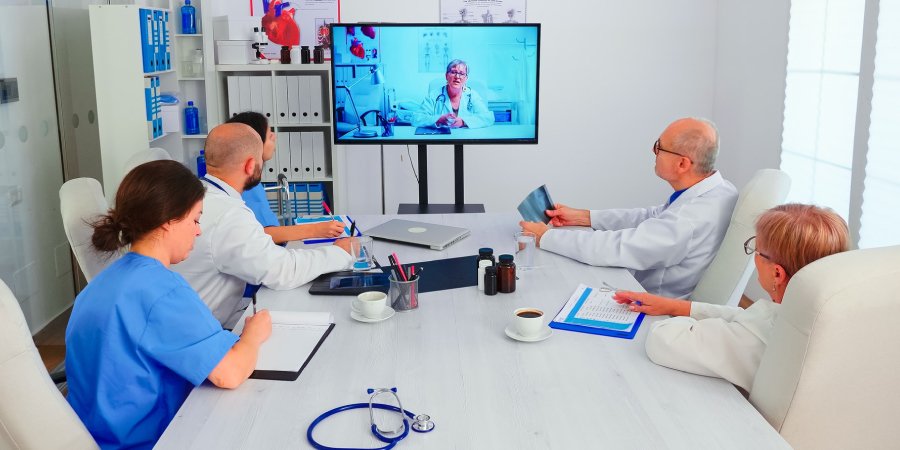

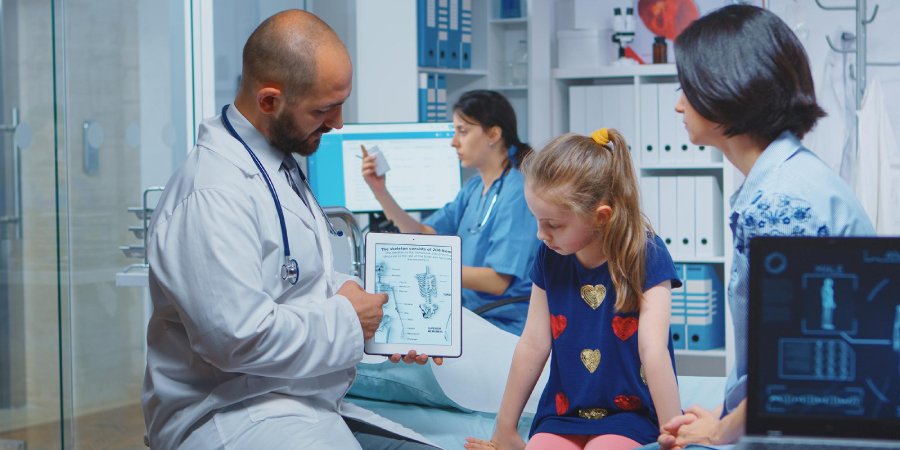
The development of artificial intelligence in the medical field has ceased being an experiment and become a practical application. One of the most prominent ones is the AI-driven primary care program in Cedars-Sinai, which is a nationally renowned health care institution based in Los Angeles. The organization has transformed the provision of primary care through its digital platform, CS Connect, which has made this service more accessible and efficient and has driven it with data.
This case study examines the application of AI to solve the systemic issues of healthcare delivery at Cedars-Sinai and enhance patient care and clinician performance.
Background and Context
The health care systems across the globe have been facing pressure with an increased number of patients, a lack of doctors, and other administrative pressures. In America, the primary care doctors spend almost fifty percent of their time on paperwork and administration instead of attending to the people.
Cedars-Sinai was able to identify these inefficiencies as a hindrance to patient satisfaction as well as clinical effectiveness. The organization wanted to develop a scalable technology-driven solution that can improve access to care and decrease the workload of physicians.
Problem Statement
Cedars-Sinai faced several critical challenges:
• Limited patient access to timely primary care services
• High levels of physician burnout due to administrative overload
• Inefficiencies in clinical documentation and workflow
• Inconsistent adherence to clinical guidelines
• Increasing demand for personalized and continuous care
These issues highlighted the need for a system that could streamline processes while maintaining high standards of care.
Objectives
The primary objectives of the initiative were:
• To improve patient access to primary care services
• To reduce administrative burden on healthcare providers
• To enhance clinical decision-making through AI support
• To ensure consistent adherence to evidence-based guidelines
• To create a scalable digital care delivery model
Solution: CS Connect AI Platform
Cedars-Sinai developed and deployed CS Connect, an AI-powered virtual care platform designed to deliver primary care services 24/7.
Key Features
• AI-driven symptom assessment and triage
• Automated patient intake and medical history collection
• Clinical decision support for physicians
• Real-time documentation assistance
• Integration with electronic health records (EHR)
The platform acts as a first point of contact for patients, collecting relevant information before a physician reviews the case. This significantly reduces consultation time while improving accuracy.
Implementation Strategy
The implementation of CS Connect followed a phased approach:
1. Pilot Testing
Cedars-Sinai initially tested the platform with a limited patient group to evaluate accuracy, usability, and workflow integration.
2. Physician Integration
Doctors were trained to use AI-generated insights as decision support rather than replacements, ensuring trust and adoption.
3. Workflow Optimization
Administrative processes such as documentation and intake were automated, allowing physicians to focus more on patient care.
4. Scaling the Platform
After successful pilot results, the platform was expanded to serve a larger patient population across multiple care settings.
Results and Outcomes
The introduction of AI-based primary care brought the following quantifiable gains:
• More than 40,000 patients were served using the platform.
• Increased compliance to clinical guide (77) versus conventional (67).
• Reduction in physician administrative workload to a significant degree.
• Reduced patient waiting time and better access to care.
• Improved patient satisfaction with the help of convenience and responsiveness.
Impact on Stakeholders
Patients
• Faster access to care
• Reduced waiting times
• More personalized treatment recommendations
Physicians
• Lower administrative burden
• Better clinical decision support
• Improved work-life balance
Healthcare System
• Increased efficiency
• Scalable care delivery model
• Reduced operational costs over time
Challenges and Limitations
Despite its success, the initiative faced some challenges:
• Initial resistance from clinicians wary of AI integration
• Need for continuous monitoring to ensure accuracy
• Data privacy and security concerns
• Dependence on digital literacy among patients
Cedars-Sinai addressed these issues through training, transparency, and robust data governance frameworks.
Key Learnings
In this case study, the following key insights can be pointed out:
• AI acts as an augmentation tool and not a doctor-replacement tool.
• Administrative duties can be fully automated to develop administrative improvements in healthcare delivery.
• Implementation is highly dependent on patient trust and physician buy-in.
• Digital platforms that are scalable will help solve systemic inefficiencies in healthcare.
Conclusion
The AI-based primary care model at Cedars-Sinai is an important milestone in the history of healthcare provision. The combination of high technology and clinical skills has enabled the organization to develop a system that has improved the efficiency and quality of care.
This model provides a roadmap in the effort to incorporate AI into the system in a manner that will help improve the healthcare system in all three countries (patients, providers, and the entire ecosystem).