
Dr. Pablo Prichard says over-the-counter libido and performance products often miss the real problem, and some carry prescription drugs that aren’t listed on the label.
Dr. Pablo Prichard, an Arizona-based surgeon who specialises in longevity and preventive health, has a warning for anyone tempted by a sexual enhancement supplement: you may not know what’s in it. Speaking in a Fox News Videos clip that Yahoo News shared on November 23, 2026, he doubted that many of these products work, and said some contain ingredients that can react badly with prescription medicines.
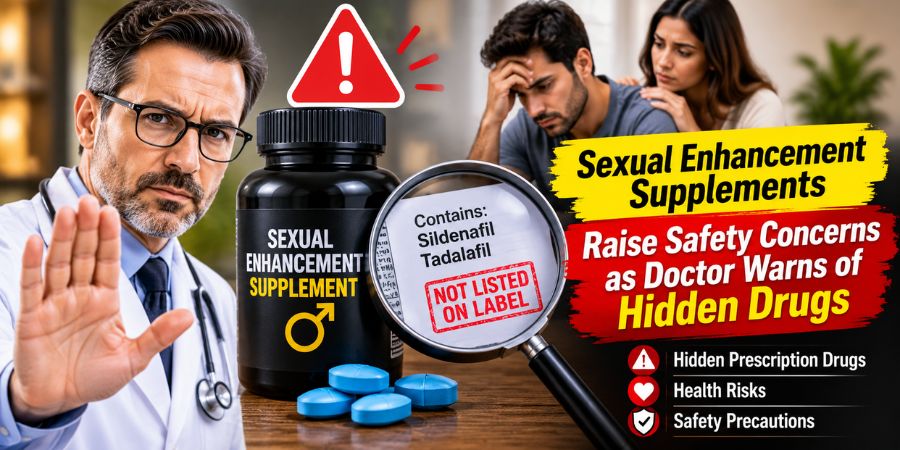
Nobody buying these products can easily check the ingredients, the dose or how either might affect an existing condition. The US Food and Drug Administration (FDA) has found sexual enhancement products containing sildenafil and tadalafil without declaring them. They are the active ingredients in Viagra and Cialis, both approved prescription treatments for erectile dysfunction.
Why Sexual Enhancement Supplements May Not Work for Everyone
Prichard’s main argument is that sexual health problems rarely come down to one cause. Low desire, erectile dysfunction and other performance issues can be physical, hormonal or psychological. Someone with reduced desire could be dealing with stress, depression, hormonal shifts, a side effect of their medication or an underlying illness. Erectile dysfunction can involve blood flow, nerve function or metabolic health.
The Cleveland Clinic links low libido to diabetes, heart disease, high blood pressure and thyroid disorders, and says mental health, relationship difficulties, sleep and certain medications can also play a part. A supplement sold as a performance booster can’t fix a hormonal imbalance, lift someone’s mood or treat a medical condition.
Hidden Prescription Drugs Create a Greater Health Concern
The bigger danger is what the label doesn’t say. The FDA reports that some products sold as natural enhancement supplements contain pharmaceutical drugs. Its public notification database lists many products that tested positive for sildenafil or tadalafil in the laboratory.
One example is X10 Natural Enhancement Supplement, which the FDA flagged on May 29, 2026. Lab analysis found both drugs in it, and neither appeared on the label. The agency warned that they can interact with nitrates in medicines such as nitroglycerin and push blood pressure to dangerous lows. People with heart disease and other cardiovascular conditions face the highest risk.
Words like herbal, natural or plant-based say nothing about safety. If prescription ingredients are hidden, buyers have no way of knowing how much they’re taking or how it will mix with their other medication.
Can Blood-Flow Supplements Help with Erectile Dysfunction?
Some supplements are sold on the promise of better circulation. L-arginine and L-citrulline feed into the body’s nitric oxide pathway, which relaxes blood vessels and helps control blood flow.
Prichard says they may help when poor circulation is part of the problem, but they won’t do much if the cause is hormonal, psychological or medical in some other way. The evidence is thin. The Cleveland Clinic points to a small study of 24 men with mild erectile dysfunction in which some saw improvement, though that isn’t enough to call L-citrulline a dependable treatment.
An ingredient that works in theory doesn’t guarantee that every product containing it is effective or safe. Stacking several supplements in the hope of quicker results is a bad idea without medical advice, because even mild-looking ingredients can interfere with medication or change blood pressure.
When Sexual Health Problems May Signal an Underlying Condition
A change in sexual function can say more about a person’s health than about their love life. Erectile dysfunction is sometimes tied to cardiovascular disease, diabetes, high blood pressure and other conditions that affect blood vessels and metabolism. Reduced libido can come with hormonal changes, depression, chronic illness or medication side effects.
If a change persists, it needs a proper medical assessment, not a bottle from the pharmacy shelf. Prichard also points to everyday habits such as enough sleep, regular exercise and managing stress. They can support medical care, but they shouldn’t stand in for treatment of an underlying condition.
What Consumers Should Consider Before Buying Sexual Enhancement Products
The FDA urges caution with any product that promises better sexual performance, especially those pitched as natural alternatives to prescription drugs, and advises talking to a healthcare professional before starting a new supplement. A few precautions are worth keeping in mind:
- Be sceptical of dramatic promises: Claims of instant or guaranteed results deserve a hard look, particularly when there’s little clinical evidence behind them.
- Check official safety notifications: The FDA database lists products found to contain hidden ingredients, but a product missing from it isn’t necessarily safe.
- Speak to a healthcare professional: This matters most for anyone on medication for heart disease, high blood pressure or another chronic condition.
- Avoid combining products without guidance: Different ingredients can interact in ways you won’t expect.
- Investigate persistent symptoms: A lasting change in desire or performance may point to a health condition that needs attention.
A More Informed Approach to Sexual Health
Prichard’s warning points to a gap between what these products promise and what buyers can actually verify about their safety and effectiveness. Circulation, hormones, mental wellbeing, chronic conditions and medication all shape sexual health, and a supplement aimed at one of them won’t cover the rest.
The sensible first step is finding out why the change is happening. A doctor can narrow down the likely causes, check for medication interactions and say whether an evidence-based treatment makes sense. Natural doesn’t mean safe, and popular doesn’t mean effective.