
Understanding the Risks After Rehab.
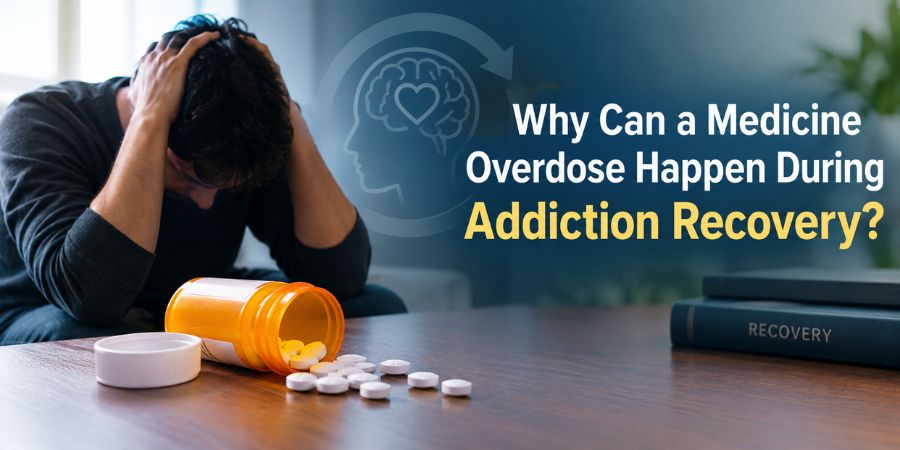
Leaving rehab can mark a major step in recovery, but the period after treatment can also bring a specific medical risk: a person who has lost drug tolerance may respond very differently to a dose they once survived. This is especially important with opioids, where returning to a previously tolerated amount after detoxification can cause a fatal overdose. Recovery therefore needs continuity after discharge, not simply completion of a residential programme.
What Causes an Overdose After Rehab?
An overdose occurs when someone takes more of a medicine than the body can safely handle. In addiction recovery, the danger can rise when tolerance falls during a period of abstinence and a person later returns to a familiar dose.
Tolerance develops when repeated exposure to a drug causes the body to adapt, so a person needs more of it to produce the same effect. When opioid use stops, tolerance can decrease. If a relapse follows, the old dose may now be too strong. SAMHSA specifically warns that people who stop naltrexone or relapse after abstinence may have reduced opioid tolerance, meaning the same or even lower opioid dose used in the past can produce life-threatening consequences.
Research has documented this post-treatment risk. A BMJ follow-up study of 137 people receiving inpatient opioid detoxification found three overdose deaths within four months after treatment, all among participants who had lost tolerance. The study was small and its authors called for replication, but subsequent research has also identified increased overdose and mortality risk around periods when opioid treatment ends or is interrupted.
The Risk is Not Limited to Relapse
An overdose does not always result from returning to an addictive drug. During recovery, people may also take prescription medicines for pain, sleep, anxiety, blood pressure or other health conditions. Confusion about doses, duplicate ingredients, changes in metabolism, mixing medicines or alcohol, and taking another person’s prescription can all create danger.
The risk is particularly important when several substances depress the central nervous system. CDC guidance identifies combining opioids with benzodiazepines as an overdose risk, while SAMHSA advises against mixing opioid pain medicines with alcohol, sleeping pills or illicit substances.
Common medicine overdose side effects can include drowsiness, confusion, vomiting, abnormal heart rate, seizures, breathing problems or loss of consciousness, depending on the substance. Symptoms can also be delayed. MedlinePlus notes that overdose symptoms vary substantially according to the medicine involved, which means the absence of an immediate reaction does not necessarily mean the person is safe.
Why the First Weeks After Treatment Deserve Attention
The weeks after treatment are not automatically dangerous for everyone. Risk varies with the substance, treatment history, medical conditions and support available. However, studies of opioid treatment have repeatedly found higher mortality or overdose risk around treatment discontinuation.
A UK cohort study of 5,335 people receiving opioid substitution treatment found that overdose deaths clustered in the first month after treatment ended or after transfers between services, with the highest crude rates during the first two weeks. Another cohort study involving more than 30,000 people in Massachusetts found substantially lower mortality among people receiving medication for opioid use disorder after detoxification than among those receiving no post-detox treatment.
These findings point to an important recovery lesson: detoxification and rehab are stages of treatment, not necessarily the end of treatment. Continuing medication for opioid use disorder, follow-up appointments, counselling and practical support can help reduce the gap between discharge and ongoing care.
What Are the Warning Signs of a Medicine Overdose?
The symptoms depend on the drug, dose and combination of substances. There is no single symptom pattern that identifies every overdose.
Possible warning signs include:
- Extreme sleepiness or inability to wake
- Slow, shallow or difficult breathing
- Confusion or severe changes in alertness
- Seizures
- Vomiting
- Very fast or very slow heartbeat
- Fainting or loss of consciousness
- Pale, blue or cold skin in severe poisoning
For opioid overdose specifically, CDC lists inability to awaken, slow or shallow breathing, choking or gurgling sounds and pinpoint pupils among the signs. When an opioid overdose is suspected, CDC recommends treating it as an emergency rather than waiting for every symptom to appear.
Blood pressure medicine overdose symptoms can also vary by the specific drug and may include marked changes in blood pressure, weakness, dizziness, abnormal heart rhythms or altered consciousness. Because different medicines can produce very different toxic effects, symptoms should not be used to decide whether an overdose is serious enough to seek help.
Can Medicine Overdose Treatment at Home Be Safe?
Suspected overdose should not be managed with home remedies. There is no universal medicine overdose treatment at home because treatment depends on what was taken, how much was taken, when it was taken, the person’s age and health, and whether other substances were involved.
If an overdose is suspected, contact the local emergency service or poison centre immediately. In the United States, Poison Control can be reached at 1-800-222-1222. Other countries have their own poison information and emergency systems.
Do not make the person vomit unless a poison specialist or healthcare professional specifically tells you to. Keep the medicine container, packaging or a list of medicines available for responders. If the person is unconscious but breathing, place them in the recovery position and monitor their breathing. If they are not breathing normally, begin CPR according to local emergency guidance.
For a suspected opioid overdose, naloxone can rapidly reverse opioid effects and should be given if available. Emergency medical care is still necessary after naloxone because its effects may wear off while the opioid remains active.
What Does Overdose Treatment Involve?
Treatment is determined by the substance rather than by a standard overdose protocol. In an emergency department, clinicians may monitor breathing, blood pressure, heart rhythm and neurological status and may order blood or urine tests.
Depending on the medicine, treatment can include intravenous fluids, oxygen, breathing support, activated charcoal in selected cases, symptom-specific medicines or an antidote. Acetaminophen overdose, for example, can cause severe liver injury and may be treated with the antidote N-acetylcysteine. Opioid overdose may require naloxone and continued respiratory monitoring.
The medicine overdose side effects and treatment requirements can therefore differ dramatically from one drug to another. Identifying the substance, approximate amount and time of exposure gives emergency clinicians information they need to select appropriate treatment.
How Can People Reduce Overdose Risk After Rehab?
Recovery plans are safer when they account for the period after discharge. Practical safeguards include:
- Keep follow-up appointments and continue prescribed treatment.
- Ask a clinician or pharmacist to review all medicines, including over-the-counter products and supplements.
- Never increase a dose because an old dose “used to work.”
- Avoid combining opioids with alcohol, sedatives or other drugs unless a clinician has specifically advised it.
- Ask about naloxone if opioid exposure is part of the person’s history or treatment.
- Store medicines securely and dispose of unused medicines safely.
- Make sure a trusted person knows how to respond to an overdose.
- Seek help quickly after a lapse or relapse rather than treating it as a failed recovery.
The goal is not to assume that relapse will happen. It is to reduce the consequences if it does.
Recovery Needs a Safety Plan Beyond Rehab
Current U.S. data show that the overdose crisis remains substantial even as deaths have fallen. CDC estimated 69,973 drug overdose deaths in the United States during 2025, down almost 14% from the estimated 81,313 deaths in 2024. Opioid-involved overdose deaths also fell, from an estimated 55,296 in 2024 to 44,564 in 2025.
A medicine overdose after rehab can happen because the body has changed, because a person returns to a former dose, because medicines are mixed, or because an accidental dosing error occurs. The safest response is early recognition, immediate professional advice and a recovery plan that continues after discharge.
Rehab can provide structure for stopping harmful substance use. Long-term recovery also requires attention to medications, relapse risk, physical health and access to emergency support.