
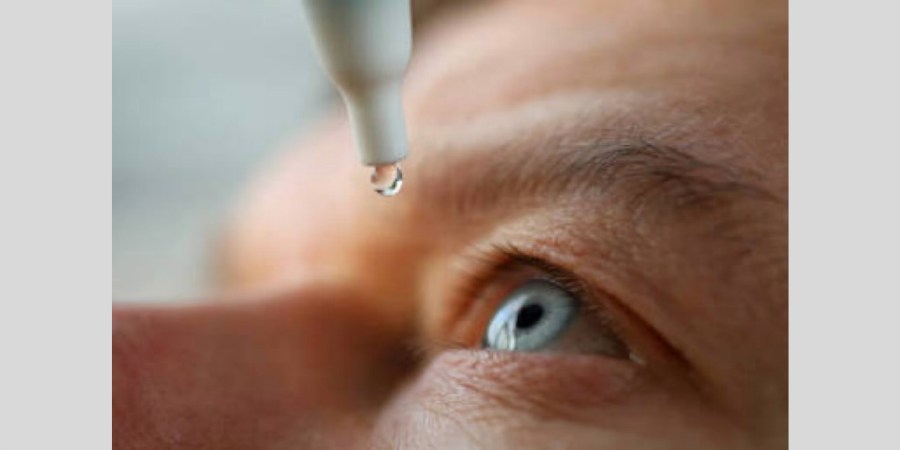
Millions of Americans who rely on daily over-the-counter (OTC) products to soothe dry, red, or irritated eyes are being urged to carefully check their medicine cabinets. A massive nationwide safety event has resulted in over 3 million bottles of eye drops recalled due to manufacturing safety issues that could pose a risk to consumers.
The U.S. Food and Drug Administration (FDA) has classified the action as a Class II recall, signaling that while the immediate risk of severe health consequences is relatively low, the products fail to meet critical quality standards.
Why Were Millions of Eye Drops Recalled?
The massive recall was voluntarily initiated by California-based manufacturer K.C. Pharmaceuticals, Inc. following questions regarding the verification and validation of the company’s aseptic filling process. Specifically, the FDA flagged a “lack of assurance of sterility” during the manufacturing window between March 27 and November 7.
When a manufacturer cannot guarantee the sterility of an ophthalmic product (medicines designed for the eye), the fluid inside the bottle can easily harbor harmful bacteria or fungi. Because the human eye lacks the same robust immune defenses as other parts of the body, applying non-sterile drops directly to the eyeball can introduce microscopic pathogens. If these microbes take hold, they can cause painful and potentially sight-threatening infections.
Fortunately, as of the FDA’s official classification, K.C. Pharmaceuticals had not received any reports of adverse illnesses or eye injuries directly linked to this specific batch of products.
Brand Names and Retailers Affected by the Recall
Because K.C. Pharmaceuticals is a contract manufacturer for dozens of major pharmacy and grocery chains, these eye drops recalled are not sold under one single brand. Instead, they are distributed under private-label store brands at massive national retailers including Walgreens, CVS, Kroger, Rite Aid, Dollar General, and H-E-B.
The recall impacts approximately 3.1 million bottles in total, spanning eight specific varieties of eye-soothing formulas. If you purchased any of the following products with expiration dates between April 30, 2026, and October 31, 2026, you may have an affected bottle:
1. Dry Eye Relief Eye Drops (Approx. 1,024,000 bottles)
- Major Brands: Rite Aid, Leader, DG Health, Good Neighbor Pharmacy, TopCare Health, Discount Drug Mart, GeriCare, H-E-B, Harris Teeter.
- Lot Code Prefixes: LT
2. Artificial Tears Sterile Lubricant Eye Drops (Approx. 590,000 bottles)
- Major Brands: CVS Health, Walgreens, Leader, GoodSense, TopCare Health, Best Choice, Kroger, Publix, Quality Choice.
- Lot Code Prefixes: AT
3. Sterile Eye Drops Original Formula (Approx. 378,000 bottles)
- Major Brands: Walgreens, GoodSense, Leader, CareOne, Circle K, DG Health, Good Neighbor Pharmacy, TopCare, Best Choice.
- Lot Code Prefixes: RG
4. Sterile Eye Drops Redness Lubricant (Approx. 315,000 bottles)
- Major Brands: Walgreens, Rite Aid, Leader, Equaline, Good Neighbor Pharmacy, Foster & Thrive, Discount Drug Mart.
- Lot Code Prefixes: RL
5. Eye Drops Advanced Relief (Approx. 303,000 bottles)
- Major Brands: CVS Health, Walgreens, Kroger, Quality Choice, Discount Drug Mart, Foster & Thrive, GoodSense.
- Lot Code Prefixes: AR
6. Ultra Lubricating Eye Drops (Approx. 245,000 bottles)
- Major Brands: Leader, CVS Health, Walgreens, Equaline, CareOne, TopCare Health, Meijer, H-E-B.
- Lot Code Prefixes: SU
7. Sterile Eye Drops AC (Approx. 182,000 bottles)
- Major Brands: Walgreens, Equaline, Meijer, CareOne, Best Choice, Quality Choice, Discount Drug Mart, GoodSense, H-E-B, TopCare Health.
- Lot Code Prefixes: AC
8. Sterile Eye Drops Soothing Tears (Approx. 74,000 bottles)
- Major Brands: Quality Choice, Leader, GoodSense, CVS Health, Walgreens, Kroger.
- Lot Code Prefixes: SY
What Should Consumers Do Next?
If you have purchased any over-the-counter eye lubricants recently, taking a few minutes to verify your products can protect your vision.
- Look for the National Drug Code (NDC) or Universal Product Code (UPC) on the back of your bottle near the barcode. Compare them to the official recall listings on the FDA Enforcement Report portal.
- Find the printed lot number and expiration date on the side of the box or bottle. If your product matches the affected list and has a 2026 expiration date, stop using it immediately.
- You can safely toss the bottle in the trash or return it to the point of purchase for a full refund.
- Note that this recall only applies to over-the-counter products. Prescription eye medications (such as those for glaucoma or post-surgery healing) are manufactured under different protocols and are completely safe to continue using unless advised otherwise by your doctor.
Symptoms of an Eye Infection to Watch For
If you have already used one of these eye drops recalled and are worried about potential contamination, monitor your eyes for signs of infection. There have been no illnesses linked so far to the production run of K.C. Pharmaceuticals’ products; Yet, in the past the company’s products were found to be the culprit in illnesses caused by serious bacteria such as Pseudomonas aeruginosa.
If you have any of this symptoms, then please contact an eye care professional or seek medical attention right away:
Unusual yellow, green, or clear discharge (pus or goo) from the eye.
- Persistent eye pain, discomfort, or swelling of the eyelid.
- Increased redness or inflammation that does not resolve.
- Increased sensitivity to light or sudden blurry vision.
Being careful with the over-the-counter medicines is one way to take good care of the eyes for a long time. Taking precautionary measures like thoroughly cleaning your hands before putting the eye drops and avoiding contact of the dropper with the tip of your eye, eyelashes or other surfaces can really make a difference.