
We live in a world that is completely obsessed with fixing ourselves. From freezing-cold ice baths at 5:00 AM to choking down handfuls of synthetic supplements every morning, the quest to add more years to our lives can sometimes feel exhausting. It feels less like living and more like a full-time job.
But when you strip away the high-tech gadgets and the extreme lifestyle trends, what actually moves the needle?
I think we often look for answers in the loudest places, believing that health must be complicated to be real. But the human body doesn’t require extreme optimization to thrive. The secrets to longevity are remarkably low-tech, deeply grounded in everyday moments, and entirely accessible. Living a longer, vibrant life is about consistent, quiet adjustments to how we move, eat, and connect.
If you have ever found yourself staring into the mirror wondering, “How can we live longer without making ourselves miserable in the process?” you are not alone. Let’s bypass the wellness noise and look at 5 easy, science-backed ways to live longer, healthier, and happier.
What Food Can Help You Live Longer?
When it comes to diet, the internet loves to fight over extremes. One-week carbs are the enemy; the next, everyone is drinking bone broth for breakfast. But if you look at the “Blue Zones,” the regions across the globe where people regularly live past 100, their secret is heavily focused on whole, unrefined foods.
So, what food can help you live longer? The short answer is plant-forward, nutrient-dense ingredients. You don’t have to become a strict vegan overnight, but shifting the balance of your plate makes a massive difference.
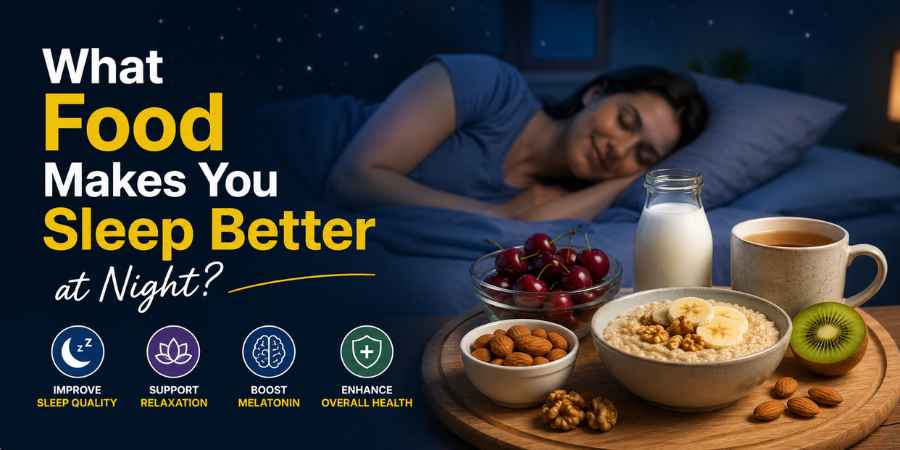
- The Magic of Beans: Beans, chickpeas, and lentils are really the secret to a long life. Besides being full of fiber and plant-based protein, which benefits your gut microbiome and keeps your blood sugar level steady, these foods are also quite tasty and versatile.
- A Small Portion of Nuts: Consuming just a little bit of nuts like walnuts or almonds on a daily basis has been a major reason linked to the reduction of heart diseases.
- Leafy Greens and Berries: Both of these are a rich source of antioxidants which help in fighting the negative effects of oxidative stress, the natural aging process of our cells.
Rather than concentrating on what to remove, put your focus on what to bring in. Add spinach to your eggs in the morning, replace your afternoon chips with mixed nuts, and let real, whole foods be responsible for your cellular health.
Does Gardening Make You Live Longer?
It sounds almost too simple to be true, but the neighborhood gardener might just outlive us all. There is a fascinating correlation between working with soil and enjoying a longer life expectancy. But does gardening make you live longer, or is it just that healthy people happen to garden?
It’s a mix of both, creating a perfect storm of longevity benefits:
- Low-Impact Functional Exercise: Gardening is a low-impact exercise very similar to a functional exercise. It is a great way of resistance and endurance training when you squat to weed, lift watering cans, or dig. It helps keep joints flexible and muscles moving without the pressure of heavy gym workouts.
- The Microbiome Boost: To put it simply, the soil is full of good microbes thereby making our interaction with the soil a direct exposure to Mycobacterium vaccae, a friendly bacterium found in the soil, which is thought to trigger the release of serotonin, the brain’s chemical that help us de-stress and upgrade our mood.
- Natural Vitamin D: Getting outside in the sun aids the body in producing Vitamin D, which is a very important factor in maintaining strong bones and a well-functioning immune system.
When people ask, do gardeners live longer because of the physical activity or the fresh air, the answer is yes to both. It’s a hobby that naturally bakes movement, stress relief, and nature into your weekly routine.
How Do I Live Longer by Changing My Movement?
If you hate the treadmill, good news: you don’t need to run marathons to extend your lifespan. In fact, intense, grueling workouts can sometimes spike cortisol (stress hormone) levels unnecessarily. When considering how do I live longer through physical activity, the secret lies in neat movement, specifically, Non-Exercise Activity Thermogenesis (NEAT).
NEAT refers to the energy we expend doing everything that is not formal exercise: walking around the house, standing at a desk, or taking the stairs.
[Sedentary Lifestyle] -> High Inflammation & Cardio Risk
[Gym-Only (1 hr/day)] -> Better, but offset by sitting all day
[Constant Low-Level Movement (NEAT)] -> Optimal Metabolic & Vascular Health
To optimize your daily movement for longevity:
1. Try to Fit in the 20-Minute Sweet Spot: Merely 20 or 25 minutes of moderate brisk walking a day can offer you more lifetime by keeping your cardiovascular system flexible and effective.
2. Divide Sitting Time into Pieces: Sitting for eight hours non-stop is quite harmful to the vascular system. You can set up a timer to stand up, stretch, or walk for two minutes every hour.
3. Fixate on Balance and Mobility: Because of aging, falls are considered a major risk to health. Gaining a basic level of stability can be done through balance-building activities like standing on one foot while brushing your teeth.
How to Live Longer by Prioritizing Your Social Circle?
We often treat loneliness as an emotional inconvenience, but science views it as a physical hazard. Chronic isolation has been shown to be just as damaging to health as smoking 15 cigarettes a day. If you are researching how to live longer, you cannot ignore the quality of your human connections.
In my own reflections, I’ve noted how easily our absence can slip by unnoticed if we don’t actively take up room in anyone’s life. It’s a heavy feeling, watching everyone else’s lives from the sidelines while wondering if you’re the person people just let slip away. But deep, meaningful relationships act as a vital buffer against life’s inevitable stressors. When you have a solid support system, your body spends less time in a high-cortisol, fight-or-flight state.
- Quality Over Quantity: You don’t need a massive social media following or a packed social calendar. Having just two or three people you can call in a crisis is enough to radically lower your psychological stress markers.
- Community Engagement: Whether it’s a local book club, a volunteer group, or a recreational sports league, being part of a collective purpose keeps the mind sharp and gives us a reason to get out of bed every morning.
Longevity is not just about preserving the physical body; it’s about giving that body a vibrant, joyful life to participate in, ensuring we feel heard, seen, and chosen by the people we keep around.
Can Dogs Live Longer Than Cats, and What Can Our Pets Teach Us?
When we look at our household companions, we often notice how their presence changes our daily rhythm. People frequently ask logistical questions like, can dogs live longer than cats? (Generally, no, cats have a typical lifespan of 12 to 15+ years, often outliving dogs, who average 10 to 13 years depending on the breed size). But the more profound question is how these companion animals influence our longevity.
Owning a pet, especially a dog, forces you into habits that naturally extend your life:
- Built-In Walking Routine: A dog doesn’t care if it’s raining or if you feel lazy; they need their walk. This automatically guarantees you get your daily dose of outdoor movement.
- Instant Nervous System Regulation: Stroking a cat’s fur or watching a dog wag its tail instantly lowers blood pressure and reduces levels of anxiety hormones.
The unconditional companionship of a pet keeps us anchored in the present moment, offering a masterclass in stress management that our cells deeply appreciate.
Conclusion: Longevity is a Daily Practice
At the end of the day, extending your lifespan is about building a life that your body wants to keep living. Drink a little more water, eat a few more plants, get your hands dirty in the garden, and spend time with people (and pets) who make you laugh. Longevity is built in the quiet, ordinary choices we make every single day.