
Managing diabetes often feels like a full-time job you never applied for. You are constantly calculating carbs, second-guessing that afternoon walk, and wondering why your levels spiked when you followed every rule. It is exhausting. Many people spend over an hour every single day just on self-care tasks. The old way of “prick, log, and pray” is slow and leaves too many gaps.
9 Digital Tools for Diabetes Management: Fast Facts
- CGMs: Provide 24/7 blood sugar data without finger pricks.
- Smart Pens: Automatically log every unit of insulin you take.
- AI Apps: Predict sugar crashes before they actually happen.
- Closed-Loop Systems: Let pumps and monitors “talk” to automate dosing.
- Telehealth: Connects you to specialists instantly from your phone.
What are Digital Tools for Diabetes Management?
In simple terms, these are the gadgets and software that take the guesswork out of staying healthy. We used to rely on paper logs and once-a-day finger pricks. Now, we have a digital diabetes care tools ecosystem.
This includes wearable health technology like sensors on your arm and mobile health apps for diabetes on your phone. These tools don’t just sit there; they talk to each other. When your digital tools for diabetes management work together, they create a safety net that catches highs and lows before they become emergencies.
Why Digital Tools are Changing Diabetes Care
The shift from manual to digital is a lifesaver. Instead of a single snapshot of your blood sugar, you get a movie. Continuous glucose monitoring (CGM) systems track your glucose every few minutes. This data flows into blood glucose tracking systems that show you exactly how a slice of pizza or a stressful meeting affects your body.
Automation is the other big change. Smart devices for diabetes care can now talk to insulin pumps, adjusting your medicine while you sleep. This reduces the mental burden. You no longer have to be a human calculator 24 hours a day.
Below are the 9 Digital Tools for Diabetes Management
1. Continuous Glucose Monitoring (CGM) Systems
A CGM is a small sensor worn on the body. It measures glucose in the fluid between your cells throughout the day and night.
- How it works: It sends data wirelessly to your phone or a receiver.
- Real-life use: Imagine being at a movie and getting a vibration on your wrist because your sugar is dropping. You can eat a snack before you even feel shaky.
- Who it’s for: Anyone with Type 1 or Type 2 who wants to track blood sugar levels digitally without constant needles.
2. Diabetes Mobile Apps (e.g., mySugr)
These are diabetes management apps that act as a digital diary.
- How it works: You log meals, meds, and feelings. Many sync directly with your glucose meter.
- Real-life use: Instead of carrying a notebook to the doctor, you show them a PDF report of your last 30 days.
- Who it’s for: People looking for best apps for diabetes tracking to find patterns in their diet.
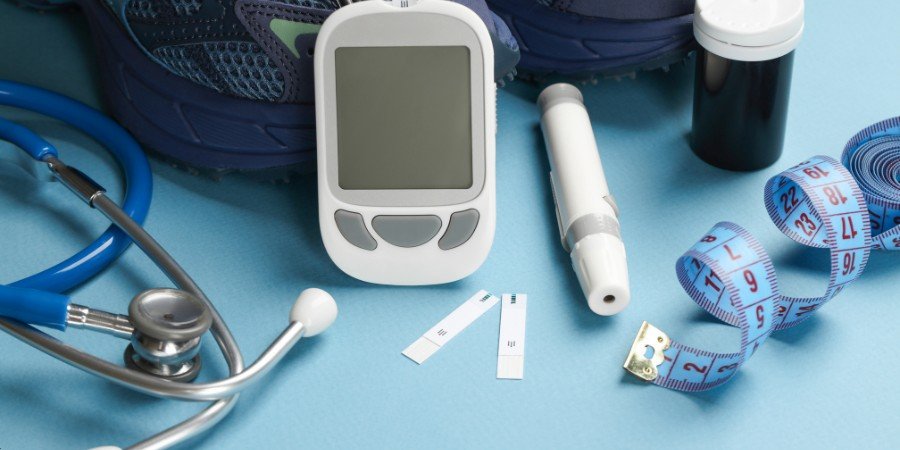
3. Smart Glucometers
These look like standard meters but have Bluetooth.
- How it works: Every time you test, the result is sent to online diabetes management platforms.
- Real-life use: A parent can see their child’s test result on their own phone while the child is at school.
- Who it’s for: Those who still use strips but want a glucose log app for patients to do the record-keeping.
4. Automated Insulin Pumps
These are wearable devices that deliver insulin 24/7.
- How it works: They mimic a pancreas by delivering small doses of insulin constantly.
- Real-life use: If you are exercising, you can temporarily lower your insulin with a button press.
- Who it’s for: People who need precise control and want to move away from multiple daily injections.
5. Smart Insulin Pens
These are the digital diabetes care tools for people who prefer injections over pumps.
- How it works: The pen records the time and amount of every dose.
- Real-life use: You never have to ask, “Wait, did I take my long-acting insulin this morning?” The app tells you.
- Who it’s for: People on MDI (Multiple Daily Injections) who struggle with memory or dosing math.
6. Diet & Carb Tracking Apps
Tools like MyFitnessPal or specialized diabetes diet and exercise tracking tools.
- How it works: You scan barcodes or search for meals to see exact carb counts.
- Real-life use: You discover that your “healthy” smoothie, in fact, has about 60 grams of sugar, explaining your morning spikes.
- Who it’s for: Anyone trying to manage type 2 diabetes with apps through nutrition.
7. Fitness & Activity Trackers
Smartwatches that track movement.
- How it works: They monitor steps, heart rate, and sleep.
- Real-life use: You see that a 15-minute walk after dinner keeps your sugar stable for three hours.
- Who it’s for: Users wanting to see how wearable health technology connects fitness to glucose.
8. Telehealth Platforms
Direct video access to endocrinologists and educators.
- How it works: You share your diabetes self-management tools data with your doctor via a secure link.
- Real-life use: You have a quick 10-minute video call to adjust your doses instead of driving two hours to a clinic.
- Who it’s for: People in rural areas or those with busy schedules.
9. AI-Powered Diabetes Tools
The newest frontier in AI in diabetes management.
- How it works: Software analyzes years of your data to predict your future levels.
- Real-life use: The app warns you: “Based on your Friday patterns, you are likely to go low at 3:00 PM.”
- Who it’s for: High-tech users looking for the best digital tools for diabetes management in 2026.
Comparison Table: Choosing Your Tools
| Tool Category | Primary Goal | Best For | Effort Level |
| CGM | Real-time data | Type 1 & Type 2 | Low (Wearable) |
| Smart Pens | Dose tracking | Injection users | Low |
| Mobile Apps | Finding patterns | Budget-conscious | Medium (Logging) |
| Insulin Pumps | Automation | High precision | High (Setup) |
| Telemedicine | Expert advice | Remote care | Low |
Benefits of Digital Diabetes Tools
Using digital tools for type 2 diabetes self-management isn’t just about cool gadgets. It’s about results. Research shows that people using digital health tools for chronic disease spend more “Time in Range.” This means fewer long-term complications like nerve damage or kidney issues.
Most importantly, it reduces the “diabetes burnout.” When digital tools for diabetes management handle the math and the logging, you get to spend more time just living your life.
Challenges You Should Know
Technology is great, but it isn’t perfect.
- Cost: Some smart devices for diabetes care are expensive without good insurance.
- Data Overload: Seeing your sugar change every five minutes can be stressful at first.
- Learning Curve: It takes a few weeks to learn how to use tools for blood sugar tracking
How to Choose the Right Tool
If you are a beginner, start with beginner-friendly diabetes management apps and a simple blood glucose tracking system. If you’ve lived with diabetes for a long time, looking into remote patient monitoring or an insulin pump might be the next step. Always check if the tool is “doctor compatible,” can your medical team see the data?
Future of Diabetes Technology
We are moving toward the “Artificial Pancreas.” This is where AI-based tools for diabetes management and diabetes data analytics tools take over completely.
In the near future, we will see even more tools to track glucose, diet, and insulin in one app that requires zero manual entry.
FAQ
Which is the best diabetes management app?
There is no single “best” app, but mySugr and Dexcom G7 are highly rated for 2026. The best app is the one that syncs with your specific diabetes monitoring devices and feels easy for you to use daily.
Can digital tools reduce blood sugar levels?
Yes. By providing real-time data and personalized insights, these tools help users stay “in range” longer. Studies show that digital tools for diabetes management often lead to lower A1c levels by catching spikes early.
Are CGMs better than glucometers?
For most people, yes. A continuous glucose monitoring (CGM) system provides 288 readings a day, whereas a glucometer only provides one. However, most doctors still recommend keeping a glucometer for backup calibration.