

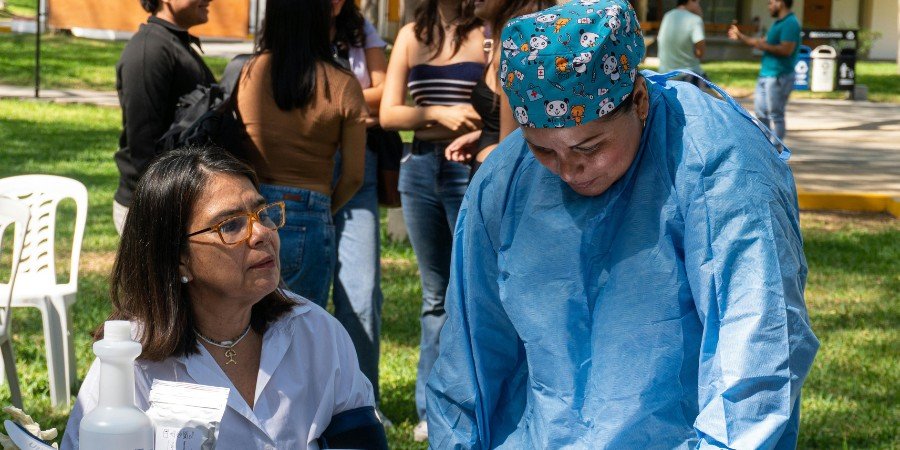
When a hospital runs low on oxygen and staff are forced to buy it from private providers at high cost, the pressure on a health system becomes very real. That is part of the picture in
The Gambia right now, and a new joint mission by WHO, UNICEF, and UNFPA is trying to turn those frontline lessons into national action. The visit, carried out from 8-10 April in the Central River Region, focused on maternal, newborn, and child health, family planning, immunization, nutrition, and adolescent-friendly services.
Highlights:
- WHO, UNICEF, and UNFPA carried out an H6 joint scoping mission in The Gambia from 8-10 April.
- The mission centered on frontline health workers and real service delivery conditions in the Central River Region.
- Findings will help shape a United Nations joint programme for better maternal and child health outcomes.
- The team visited major facilities including Bansang, Brikamaba, Janjanbureh, Njau, Karantaba Tenda, Kudan, Kuntaur, and Kaur.
- An inoperable oxygen plant at Bansang Government Hospital highlighted the need for urgent repair and stronger system support.
Key Facts:
| Area | What the mission found |
| Service delivery | Capacity broadly matched current use across facilities. |
| Workforce | Staff levels were found adequate for present demand. |
| Supplies | Essential supplies and equipment were available. |
| Main gap | Oxygen supply at Bansang Government Hospital needs urgent repair. |
| Next step | Follow-up with the Ministry of Health and regional authorities will guide action. |
Background:
The story of strengthening health systems in The Gambia started with a simple but important idea: listen to the people who deliver care every day. WHO, UNICEF, and UNFPA used their H6 joint scoping mission to speak directly with frontline health workers and understand what daily service delivery looks like in the Central River Region. The wider goal was to support stronger health systems in The Gambia and build a new United Nations joint programme for maternal and child health.
The mission covered several health facilities and the Regional Health Directorate. Teams reviewed how essential services are delivered in practice, with focus areas including maternal and newborn care, reproductive health, family planning, immunization, nutrition, and adolescent-friendly services.
This approach matters because health systems in The Gambia work best when national planning reflects what happens at facility level.
One of the clearest findings came from Bansang Government Hospital. The hospital’s oxygen plant has remained inoperable for more than three months, which forced the facility to buy oxygen from private providers at high cost.
That single gap shows how strengthening health systems in The Gambia depends on more than staff numbers or supplies. It also depends on basic infrastructure that keeps critical care running.
The mission also pointed to strengths. Health workers said service delivery was generally aligned with patient use, and the workforce could meet current demand. Supply availability was also broadly sufficient. At the same time, the agencies noted that more orientation, better community engagement, supportive supervision, and stronger coordination would improve how available tools and services are used.
Projecting forward, WHO, UNICEF, and UNFPA said the findings will guide coordinated follow-up with the Ministry of Health, regional authorities, and local partners. The goal is clear: turn frontline evidence into practical steps that strengthen health systems in The Gambia and improve access to quality care for people in the Central River Region and beyond.
Frequently Asked Questions
What was the main aim of the mission in The Gambia?
The main aim was to hear directly from frontline health workers, assess service delivery realities, and identify gaps that can guide stronger health systems in The Gambia.
Which health areas were reviewed?
The team focused on maternal health, newborn care, child health, reproductive health, family planning, immunization, nutrition, and adolescent-friendly services.
What problem stood out the most?
The biggest urgent issue was the broken oxygen plant at Bansang Government Hospital, which has forced the hospital to source oxygen privately at high cost.