
Introduction
Heart failure, diabetes, and hypertension are some of the chronic diseases that have risen to be the most burning issues in global healthcare. These conditions have to be managed through constant monitoring, timely intervention, and long-term involvement of the patient. Conventional healthcare systems that are largely based on face-to-face visits and reactive care tend to be unable to fulfill such requirements.
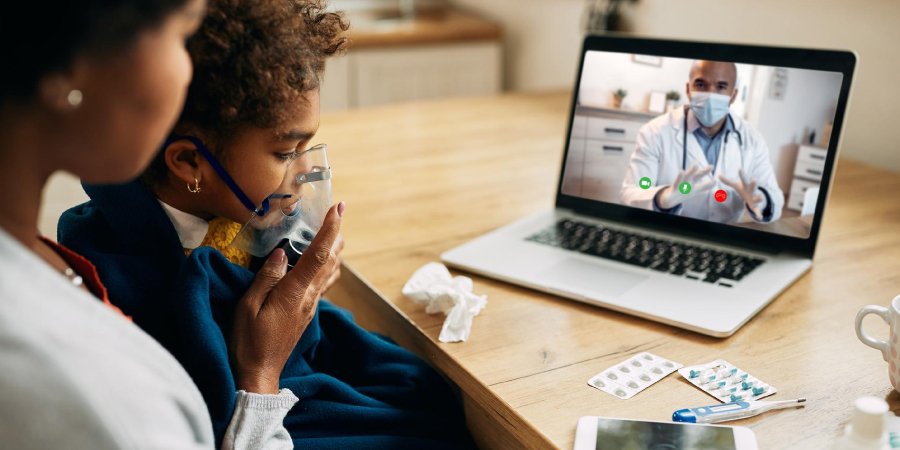
Telemedicine has become a revolutionary solution where healthcare providers can no longer use episodic care but rather continuous care. Through integration of digital platforms, connection devices, and predictive analytics, telemedicine is reshaping the monitoring and treatment of chronic illnesses in different areas, such as the United States, India, and Europe.
Background and Context
The increased burden of chronic diseases across the world has put a significant burden on the healthcare systems. Long-term conditions usually have patients who are in need of frequent visits, medication changes, and constant monitoring. Nevertheless, the availability of healthcare facilities, particularly in rural or underserved settings, has been an obstacle toregular care provision.
In most instances, patients only resort to medical care once the symptoms have escalated, resulting in unnecessary admission to the hospital and increased treatment expenses. This is a reactive method that not only influences the outcomes of patients, but it is also a burden to the healthcare.
In response to these issues, medical practitioners started to integrate telemedicine as a means of providing continuous, distanced care in addition to enhancing efficiency and accessibility.
Problem Statement
Before the widespread adoption of telemedicine, chronic disease management faced several critical issues:
• Frequent hospital readmissions due to lack of early intervention
• Poor monitoring of patients between clinical visits
• Limited patient adherence to treatment plans
• High healthcare costs associated with emergency care and hospital stays
• Accessibility challenges for patients in remote or underserved regions
These issues highlighted the need for a proactive and scalable care model.
Objectives
The main objectives of telemedicine in the management of chronic diseases were:
• To facilitate the permanent tracking of the health of patients.
• To decrease hospitalizations and emergency interventions.
• To enhance patient interaction and treatment compliance.
• To reduce the total healthcare expenditures.
• To deliver affordable care irrespective of the place of location.
Solution: Telemedicine Driven Care Model
Telemedicine platforms emerged with an all-inclusive perspective of treating chronic diseases by combining technology and clinical treatment.
Key Components
IoT Enabled Monitoring Devices
Glucose monitoring devices, blood pressure cuffs, and wearable sensors are connected devices subsumed by patients. Real-time health data is gathered in these devices and sent to the healthcare providers.
Predictive Analytics Predicted by AI
Progressive algorithms process patient information to find trends and point out signals of deterioration. This will enable clinicians to act before the conditions deteriorate.
Constant Remote Interaction
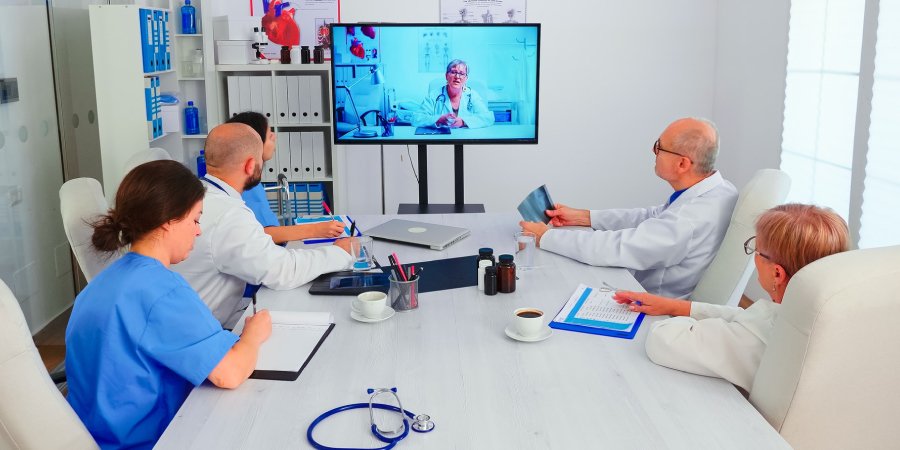
Through virtual consultation, mobile apps, and messaging systems, patients are constantly communicating with their healthcare providers. This will guarantee continuity in guidance and support.
Implementation Strategy
Healthcare systems across regions adopted telemedicine through phased implementation:
Integration with Existing Systems
Hospitals and clinics integrated telemedicine platforms with electronic health records to ensure seamless data flow and continuity of care.
Patient Onboarding and Education
Patients were trained to use monitoring devices and digital platforms effectively, ensuring accurate data collection and communication.
Clinical Workflow Adaptation
Healthcare providers adjusted workflows to incorporate remote monitoring and virtual consultations into daily practice.
Scalability Across Regions
Telemedicine solutions were expanded to reach larger populations, particularly in areas with limited healthcare access.
Results and Outcomes
The adoption of telemedicine for chronic disease management has led to significant improvements:
• Reduction in hospitalizations and readmissions due to early intervention
• Improved patient engagement and adherence through continuous communication
• Better management of chronic conditions with real-time monitoring
• Lower healthcare costs by minimizing emergency care and inpatient treatment
• Enhanced access to care for patients in remote and underserved areas
Impact on Stakeholders
Patients
Patients benefit from greater convenience, improved health outcomes, and a more personalized care experience. Continuous monitoring provides reassurance and encourages proactive health management.
Healthcare Providers
Clinicians gain access to real-time patient data, enabling more informed decision-making and efficient care delivery. This also allows them to manage larger patient populations effectively.
Healthcare Systems
Telemedicine reduces the burden on hospitals, optimizes resource utilization, and supports a shift toward value-based care.
Challenges and Limitations
Despite its success, telemedicine faces certain challenges:
• Dependence on digital infrastructure and internet connectivity
• Variability in patient digital literacy
• Data privacy and security concerns
• Need for regulatory alignment across regions
Addressing these challenges is essential for long-term sustainability and scalability.
Key Learnings
The case study brings out a number of lessons:
• Constant observation provides early interventions and improved results.
• Advancements in technology can be used to seal the divide in access and care delivery.
• Successful management of chronic disease depends on patient engagement.
On the one hand, preventive care models are more effective when compared to the reactive ones.
Conclusion
The way chronic diseases are being managed through telemedicine is changing where the primary aim is not to treat but to take care of the diseases. With the help of the technology and data, healthcare providers can be able to offer more effective, accessible, and cost-efficient solutions.
With the adoption rate still increasing in the United States, India, and Europe, telemedicine will be at the center of healthcare in the future. It is a step to the model where care is not limited to hospitals but is the continuation of the work into the daily lives of patients, enhancing their results and quality of life.