
Highlights:
- The CARE-I programme has begun in Indonesia to strengthen disease surveillance, outbreak response, and cross-sector health coordination.
- It supports the One Health approach, linking human, animal, and environmental health so risks can be found earlier.
- WHO, FAO, the World Bank, and Indonesia’s government are working together on the programme.
- The project will run for three years, from 2026 to 2028, with funding from the Pandemic Fund.
- The kick-off meeting took place in Jakarta on 15–16 April 2026 and brought together more than 50 representatives.
Key Facts:
| Key point | Detail |
| Programme name | CARE-I, short for Collaborative Approach for Resilient Surveillance and Pandemic Preparedness in Indonesia. |
| Main goal | Improve pandemic preparedness through stronger coordination across sectors. |
| Lead support | WHO and FAO will provide technical and expert support. |
| Timeline | 2026 to 2028. |
| Main focus | Lab training, surveillance, frontline response, and coordination. |
Background:
When a country faces disease risks across farms, forests, cities, and border points, delays in response can cost time and lives. Indonesia is taking that risk seriously. On 20 April 2026, WHO announced that Indonesia had launched the CARE-I programme to support the country’s health security and build stronger pandemic preparedness systems.
Indonesia’s setting makes this work urgent. WHO said the country’s rich biodiversity, dense population, and role as an international transport hub raise the risk of new diseases spreading. The agency also pointed to uneven capacity across regions, weak subnational systems, gaps in human resources, and coordination problems in a decentralised system.
The CARE-I programme was launched after recommendations from the International Health Regulations Joint External Evaluation and Indonesia’s National Action Plan for Health Security.
The work began under a grant from the Pandemic Fund, a global financing mechanism created in 2022 to support prevention, preparedness, and response, especially in lower- and middle-income countries.
At its core, the CARE-I programme pushes the One Health approach into daily practice. That means human health, animal health, and environmental health teams work together rather than separately.
WHO and FAO will help train laboratory staff, improve disease testing, support safe handling of biological materials, raise testing standards, strengthen surveillance systems, and train frontline workers to spot outbreaks early.
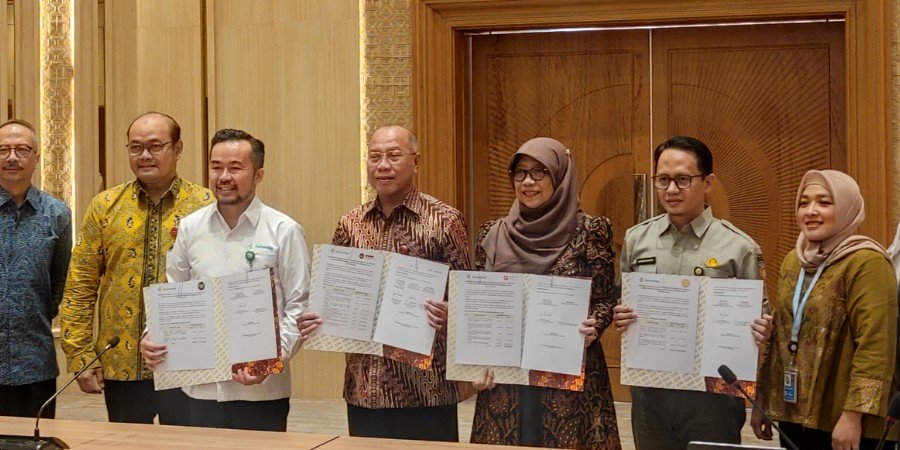
The launch meeting in Jakarta drew more than 50 representatives from ministries and partner organizations, including the Ministry of Health, Ministry of Agriculture, Ministry of Forestry, the National Research and Innovation Agency, WHO, FAO, and the World Bank.
A health ministry official said the CARE-I programme will help Indonesia prepare better for future public health threats through close collaboration and shared responsibility.
The system needs to start building better systems through this practical step which helps Indonesia. The system will protect families and support their work by enabling essential services to operate during emergencies through improved detection and response capabilities and better coordination.
The actual worth of the CARE-I program. The health security plan needs to operate with fast speed and team collaboration and better local system development for the needs of the country.
Frequently Asked Questions
What is the CARE-I programme?
The CARE-I programme is Indonesia’s new effort to improve surveillance, outbreak response, and coordination through the One Health approach. It focuses on human, animal, and environmental health together.
Why does Indonesia need the CARE-I programme?
WHO says Indonesia faces higher disease risk because of its biodiversity, population density, transport links, and uneven health capacity across regions. The CARE-I programme is meant to address those gaps.
Who is supporting the CARE-I programme?
WHO, FAO, the World Bank, the Ministry of Health, and other national partners are involved, with funding from the Pandemic Fund.
How long will the programme run?
The CARE-I programme will run for three years, from 2026 to 2028.