

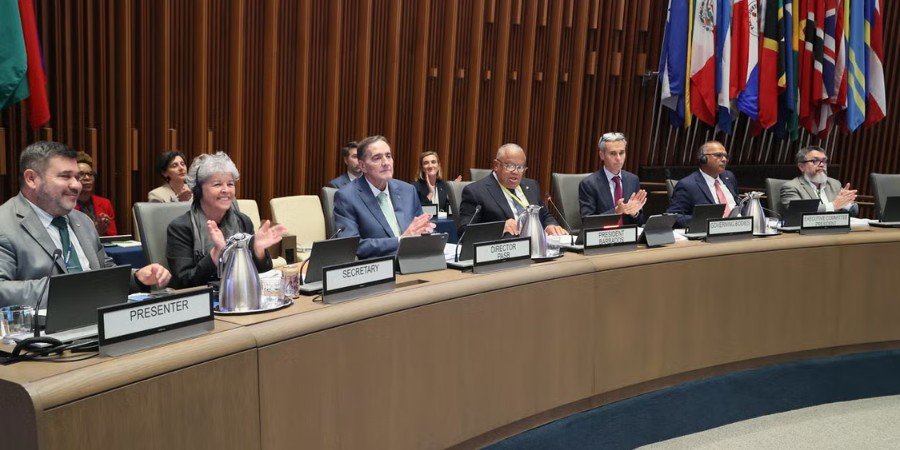
Highlights:
- PAHO has released a new set of policy briefs to help countries strengthen long-term care in Latin America and the Caribbean.
- The guidance arrives as population aging drives higher care needs across the region.
- PAHO says around 8 million people aged 65 and older in the region need support with daily activities, and that share may rise by 2050.
- The new material focuses on person-centered care, caregivers, governance, and financing.
- PAHO wants long-term care in Latin America and the Caribbean to grow beyond institutions and reach homes and communities more consistently.
Key Facts:
| Fact | What it means |
| PAHO launched a new series of policy briefs on April 15, 2026. | Countries now have practical guidance to improve long-term care. |
| About 14.4% of people aged 65 and older in the region need long-term care. | The need is already large and rising. |
| Nearly 70% of care is provided by women in families, often without pay. | Care work carries a heavy gender burden. |
| The briefs were developed with the IDB and ILO. | PAHO is linking health, labor, and financing policy. |
Background:
Long-term care in Latin America and the Caribbean is moving up the public health agenda, and PAHO has stepped in with a practical policy package. The organization launched a new series of briefs on April 15, 2026, to help governments respond to fast population aging and rising care needs across the region.
PAHO says about 8 million older adults in the region need help with basic daily tasks such as bathing, dressing, eating, moving around, or taking medication. That burden is expected to grow, with the share of older adults needing long-term care projected to rise to 16% by 2050.
The new policy guidance for long-term care in Latin America and the Caribbean is meant to turn the Regional Policy on Long-Term Care (2025–2034) into action. The first three briefs focus on person-centered care, the role and rights of paid and unpaid caregivers, and the governance and financing of care systems. PAHO developed them with the Inter-American Development Bank and the International Labour Organization.
The message from PAHO is clear. Long-term care in Latin America and the Caribbean should be built around people, families, and communities. The organization says care should not stay limited to institutions. It should support dignity, autonomy, and daily life at home wherever possible.
The guidance also highlights a problem many systems keep facing: weak coverage, too little data, and care workers who are undervalued. PAHO points out that women provide nearly 70% of care in families, often without pay or enough support, which keeps pressure on households and deepens existing inequality.
For health systems, the new long-term care guidance in Latin America and the Caribbean offers a straightforward path. Strengthen services, support caregivers, improve coordination, and build financing that lasts. PAHO says the timing matters because the United Nations Decade of Healthy Ageing is still underway, and long-term care is one of its priority areas.
How the Policy Briefs are Structured?
| Area | Focus |
| Person-centered care | Rights-based care shaped around individual needs and preferences. |
| Caregivers | Better training, decent work, and support for unpaid carers. |
| Governance and financing | Stronger oversight, coordination, accountability, and sustainable funding. |
Frequently Asked Questions
- What did PAHO launch?
PAHO launched a new series of policy briefs to strengthen long-term care in Latin America and the Caribbean.
- Why does this matter now?
The region is aging fast, and the number of people needing long-term care is already high. PAHO says the pressure will grow further by 2050.
- What does the new guidance cover?
It covers person-centered care, caregivers, governance, and financing for long-term care systems.
- Where should long-term care be delivered?
PAHO says it should be rooted mainly in homes and communities, with respect for dignity and personal choice.